How to Store and Handle Corona-Treated Polypropylene Sheets for Best Printing Performance
Corona treatment is essential for improving the printability and adhesion performance of polypropylene (PP) sheets. However, corona treatment is not permanent—it begins to decay over time, especially when exposed to improper environmental conditions. To ensure the best printing results and stable product performance, proper storage and handling are just as important as the treatment itself.
This article explains why corona treatment matters, how long it lasts, what accelerates its decay, and how to store and handle corona-treated PP sheets correctly. It also introduces Polyreflex's reliable solutions for demanding printing and packaging applications.
1. Why Corona Treatment Matters
Polypropylene naturally has a very low surface energy, which makes it difficult for inks, adhesives, and coatings to adhere effectively. Corona treatment modifies the molecular structure on the surface, raising its surface energy and enabling excellent bonding.
Without corona treatment, these issues commonly occur:
Corona treatment solves these problems by temporarily increasing surface energy, making PP sheets suitable for printing processes such as screen printing, digital printing, offset printing, and UV printing.
2. Shelf Life of Corona-Treated PP Sheets
Corona treatment is time-sensitive. Even under ideal storage conditions, surface energy gradually decreases as the material attempts to return to its natural low-energy state.
Typical shelf life after treatment:
For customers requiring consistent printing quality, understanding this timeline is essential for production planning and inventory management.
3. Factors That Accelerate Corona Decay
Several environmental and handling conditions can significantly speed up corona decay:
High temperature accelerates molecular relaxation, causing surface energy to decrease faster.
Moisture on the surface interferes with treated molecular groups and reduces print adhesion.
Dust, oils, fingerprints, and airborne particles cover the treated layer, blocking ink adhesion.
UV light breaks down surface molecules, rapidly reducing the effects of corona treatment.
Even in sealed packaging, untreated areas slowly migrate and neutralize the treated surface over time.
Understanding these factors helps prevent premature surface energy loss.
4. Best Storage Practices
To maintain optimal surface energy, corona-treated PP sheets must be stored properly.
Keep packaging sealed
Open packaging only when necessary. Original wrapping protects the treated surface from dust, moisture, and air exposure.
Store in a cool, dry environment
Ideal conditions:
Temperature: 15–25°C
Humidity: below 60%
Avoid warehouses without temperature control.
Keep away from sunlight and heat sources
Direct sunlight, heaters, and warm air streams accelerate surface energy decay.
Use pallets and avoid ground contact
PP sheets placed directly on the floor may absorb moisture.
FIFO inventory management
Use the first-in, first-out method to ensure sheets are used while surface energy is still optimal.
5. Handling Guidelines Before Use
Proper handling ensures consistent printing quality.
Open packaging right before printing
The longer the sheets are exposed to air, the faster surface energy decreases.
Do not touch the printing surface
Fingerprints and oils can damage the treated layer.
Wipe the surface if needed
Use a clean, lint-free cloth to remove dust before printing.
Test surface energy
If in doubt, perform a dyne pen test.
Ideal surface energy for printing: ≥ 38 dynes.
Choosing the correct grade ensures stable processing, reduced scrap rates, and lower production costs.
Re-treat if necessary
If surface energy has dropped, the sheet can be reactivated using:
1) Corona treatment
2) Flame treatment
3) Plasma treatment
6. What Happens if Corona Treatment Decreases?
When surface energy declines, several common printing and processing issues may occur:
If these problems appear, it often indicates that the sheets were not stored or handled properly.
7. Applications That Require Corona Treatment
Corona-treated PP sheets are widely used in industries requiring high-quality printing and bonding performance:
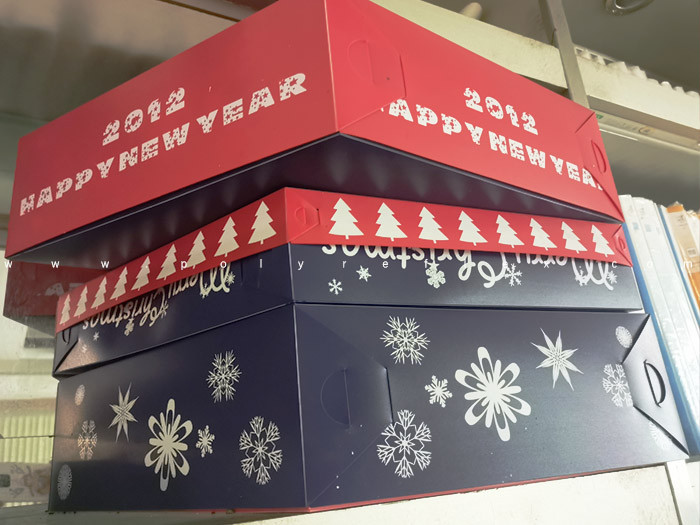
PP Signage
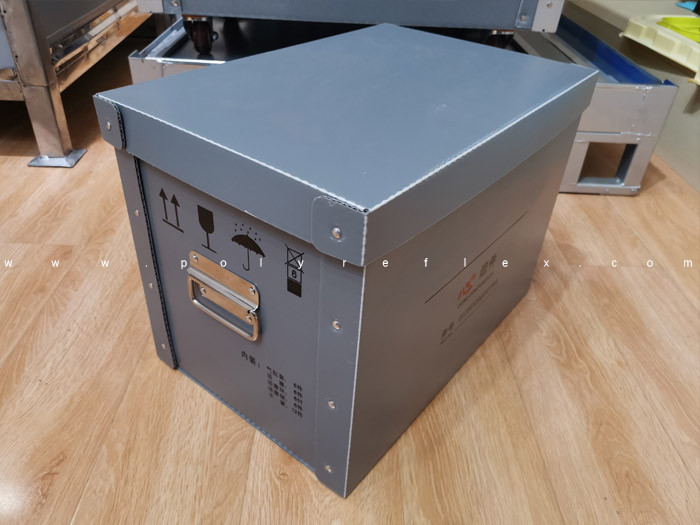
PP Packaging Box
Any application involving printing, labeling, or adhesion significantly benefits from corona treatment.
8. Polyreflex Product Solutions
Polyreflex offers a full range of polypropylene sheet products with optional corona treatment:
PP Honeycomb Sheets (3–12mm)
Lightweight, rigid, excellent for packaging, logistics, and structural panels.
PP Corrugated Sheets
Ideal for signs, displays, and reusable packaging boxes.
PP Bubble Board
Smooth surface, excellent stiffness-to-weight ratio, suitable for printing.
Custom surface treatments
1) One-side or two-side corona treatment
2) Anti-static treatment
3) UV-resistant surface
4) Custom colors and textures
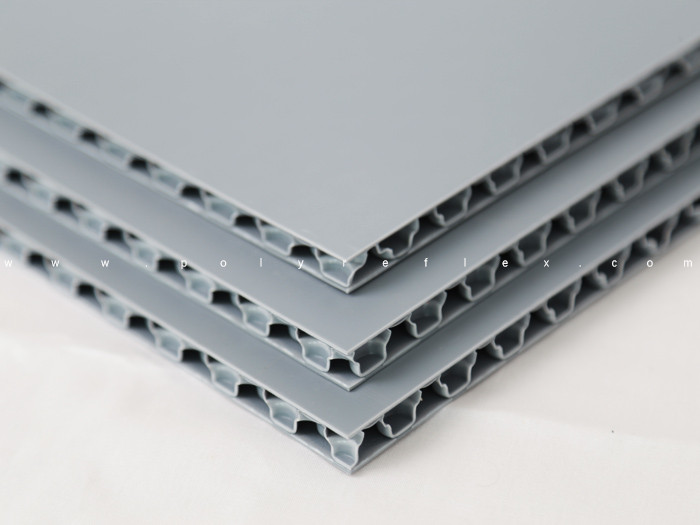
Polyreflex PP Honeycomb Sheets
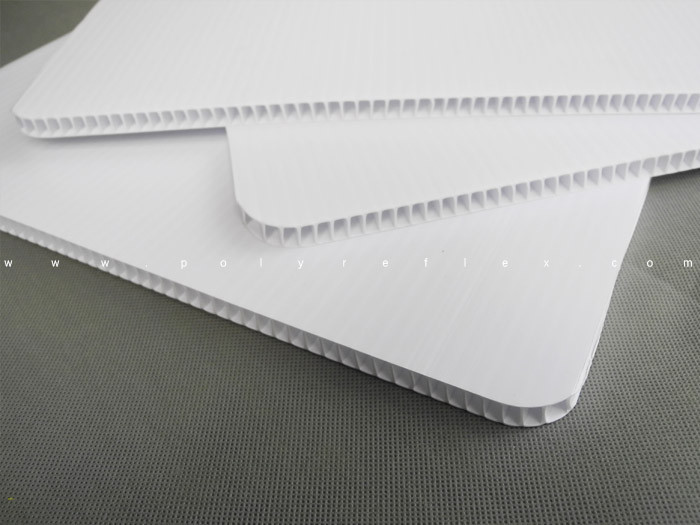
Polyreflex PP Corrugated Sheets
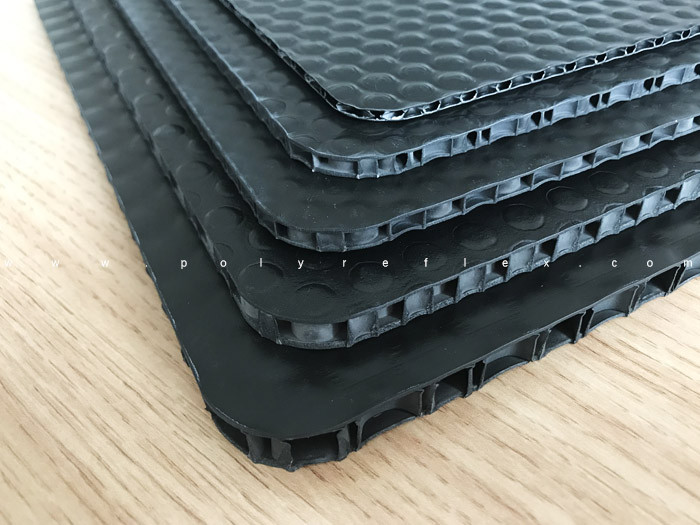
Polyreflex PP Bubble Board
Precision cutting and fabrication
CNC cutting, die-cutting, crease lines, folding, bending, printing, etc.
Polyreflex ensures consistent corona quality and offers technical support for printing applications.
Corona treatment is essential for achieving strong adhesion and high-quality printing on polypropylene sheets. However, its effectiveness is closely tied to proper storage, handling, and environmental control. By understanding how corona treatment works and following the recommended storage and handling guidelines, users can maintain stable surface energy and ensure reliable printing performance.
Polyreflex provides high-quality PP sheets with durable corona treatment and offers tailored solutions for printing, packaging, and industrial applications. For more technical support or product consultation, feel free to contact our team.