Why PP Bubble Board Is a Cost-Effective Material for Automotive Panels
The automotive industry is continuously evolving toward lighter, more efficient and more sustainable vehicle designs. Whether for passenger vehicles, commercial trucks or electric vehicles, manufacturers are under constant pressure to reduce vehicle weight while maintaining durability, functionality and cost efficiency. At the same time, OEMs and Tier suppliers are also looking for materials that can simplify manufacturing processes and reduce overall production costs.
Traditional materials such as plywood, MDF, metal sheets and heavy solid plastics are increasingly being replaced by lightweight thermoplastic materials. Among these solutions, PP Bubble Board has become a highly practical and cost-effective choice for many automotive applications.
Thanks to its lightweight hollow structure, excellent impact resistance, waterproof performance and easy fabrication capabilities, PP Bubble Board is now widely used in automotive interior panels, trunk systems, protection boards, floor panels and returnable packaging solutions.
As a professional manufacturer of thermoplastic sheets and automotive plastic solutions, Polyreflex provides customized PP Bubble Board materials and fabrication services for global automotive customers, including CNC machining, thermoforming and component assembly.
What Is PP Bubble Board?
PP Bubble Board is a lightweight thermoplastic sheet made from polypropylene material. It features a unique hollow structural design that combines low weight with excellent rigidity and durability, making it highly suitable for automotive applications.
Structure of PP Bubble Board
Unlike solid plastic sheets, PP Bubble Board typically features a three-layer structure. The outer surfaces are flat polypropylene skins, while the middle layer contains a bubble-shaped or ribbed hollow structure. This internal structure helps reduce weight while maintaining structural strength.
The hollow design also improves impact absorption and stiffness, allowing the material to perform well in automotive environments where vibration resistance and durability are important.
Compared with traditional corrugated plastic sheets, PP Bubble Board usually provides better flatness, improved appearance and enhanced mechanical performance.
Main Material Properties
PP Bubble Board offers several advantages that make it suitable for automotive manufacturing:
Because polypropylene itself is chemically stable, PP Bubble Board can also withstand exposure to moisture, oils and many automotive cleaning chemicals.
Common Thickness and Weight Range
For automotive applications, PP Bubble Board is commonly available in thicknesses ranging from 3 mm to 10 mm. Different GSM or weight specifications can be customized depending on the required strength and application.
Surface options may include:
Customized colors are also available to match automotive interior designs or branding requirements.
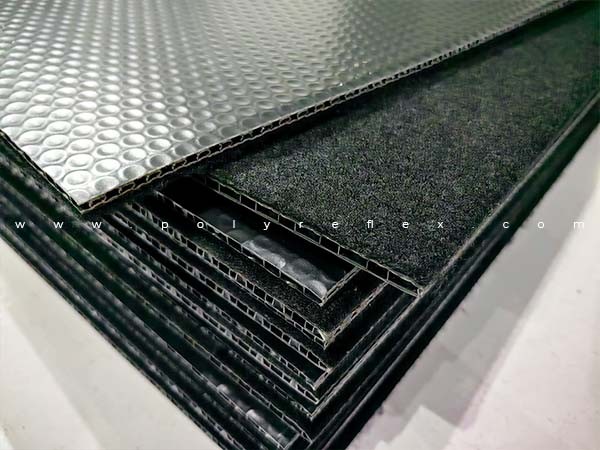
PP Bubble Board for Automotive
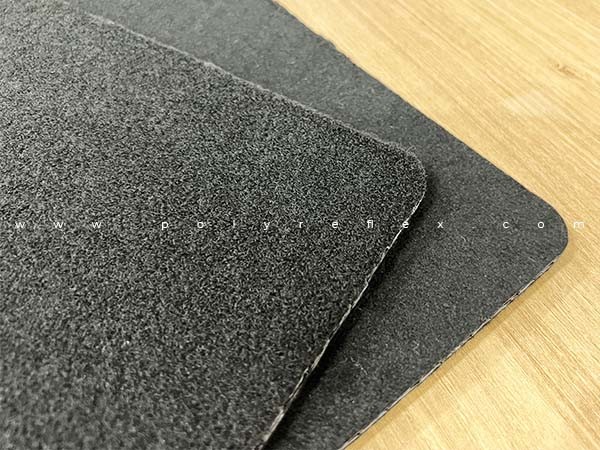
Fabric Laminated PP Bubble Board
Why Automotive Manufacturers Need Lightweight Plastic Panels
Vehicle lightweighting has become one of the most important trends in the modern automotive industry.
Vehicle Lightweighting Trend
Reducing vehicle weight helps improve fuel efficiency, lower emissions and enhance overall vehicle performance. This is especially important for electric vehicles, where reducing weight can help increase driving range and battery efficiency.
As a result, automotive manufacturers are increasingly replacing heavy traditional materials with lightweight thermoplastic panels.
Replacing Traditional Materials
In the past, many automotive interior and protection panels were made from plywood, MDF or metal materials. While these materials may provide adequate strength, they also introduce several disadvantages:
Compared with these traditional materials, PP Bubble Board offers a much better balance between weight, durability and cost.
Cost Pressure in Automotive Manufacturing
Automotive manufacturers are also under significant cost pressure. Material optimization has become a major focus throughout the supply chain.
Lightweight thermoplastic sheets like PP Bubble Board can help reduce costs in several ways:
This makes PP Bubble Board a highly attractive material for both OEMs and Tier suppliers.
Key Advantages of PP Bubble Board in Automotive Applications
PP Bubble Board combines lightweight performance, durability and cost efficiency, making it suitable for a wide range of automotive applications.
Lightweight Structure Reduces Vehicle Weight
One of the biggest advantages of PP Bubble Board is its lightweight hollow structure.
Compared with plywood, solid plastic sheets or metal panels, PP Bubble Board can significantly reduce component weight while still maintaining sufficient rigidity.
This contributes to:
For electric vehicles, lightweight materials are even more important because they help improve battery efficiency and driving range.
Excellent Impact Resistance
Automotive components are constantly exposed to vibration, movement and mechanical stress. PP Bubble Board offers good impact resistance and toughness, helping protect interior structures and automotive parts.
The hollow structure also helps absorb impact energy, reducing the risk of cracking or deformation.
This makes the material suitable for:
Waterproof and Chemical Resistant
Unlike plywood or MDF, PP Bubble Board does not absorb water. It maintains stable performance even in humid environments.
The material is also resistant to many chemicals commonly encountered in automotive applications, including:
This makes it especially useful for underbody applications and interior environments where moisture exposure may occur.
Good Processability for Automotive Parts
Another major advantage of PP Bubble Board is its excellent fabrication capability.
The material can be easily processed through:
This allows manufacturers to efficiently produce customized automotive components with precise dimensions and shapes.
Cost-Effective Compared with Other Materials
Compared with materials such as ABS sheets, solid PP sheets or plywood, PP Bubble Board often provides a more economical solution.
Its cost advantages include:
For many automotive applications, PP Bubble Board provides sufficient performance without the higher costs associated with heavier or more complex materials.
Typical Automotive Applications of PP Bubble Board
PP Bubble Board is used in various automotive interior and protection applications.
Automotive Interior Wall Panels
Interior wall panels require lightweight materials with good rigidity and durability. PP Bubble Board provides a clean appearance and stable structure while helping reduce overall vehicle weight.
Seat Back Panels
Seat back panels require impact resistance, lightweight performance and easy fabrication. PP Bubble Board can be CNC machined into customized shapes and assembled with other automotive components.
Trunk Floor and Storage Systems
Trunk systems are one of the most common applications for PP Bubble Board.
The material helps create:
Its lightweight structure improves handling while maintaining durability.
Door Protection Panels
Door panels require lightweight materials with good dimensional stability and durability. PP Bubble Board can be laminated or combined with decorative surfaces to improve appearance and functionality.
Floor Protection Boards
Automotive floor protection systems require materials that can resist impact, moisture and repeated use. PP Bubble Board provides a practical and cost-effective solution.
Packaging and Returnable Transport Boxes for Automotive Parts
In addition to vehicle components, PP Bubble Board is also widely used for automotive logistics packaging.
The material is commonly used for:
Its lightweight structure and durability help improve logistics efficiency and reduce packaging costs.
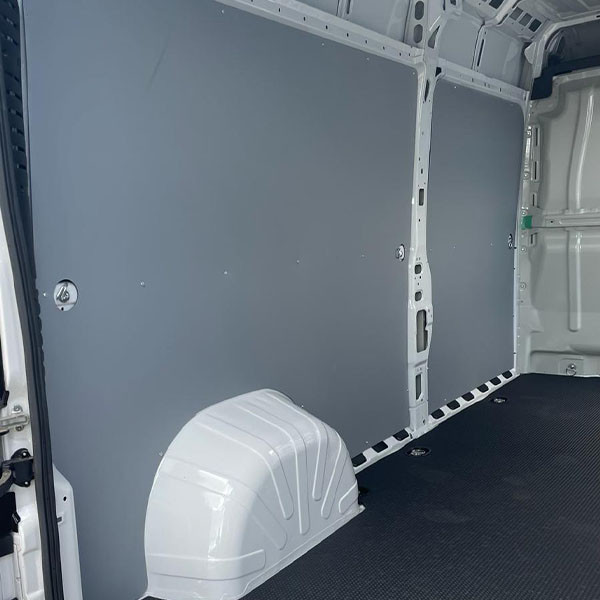
Lightweight PP bubble board and honeycomb panels for automotive interior wall, ceiling, and floor applications. Durable, moisture-resistant, and customizable.
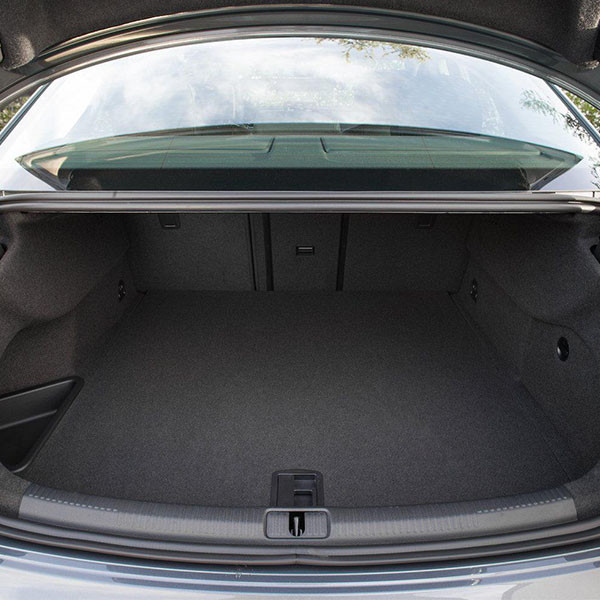
Lightweight and durable automotive trunk floor panel solutions using PP bubble board and honeycomb materials. Designed for high load capacity, moisture resistance, and OEM customization across modern vehicle cargo systems.
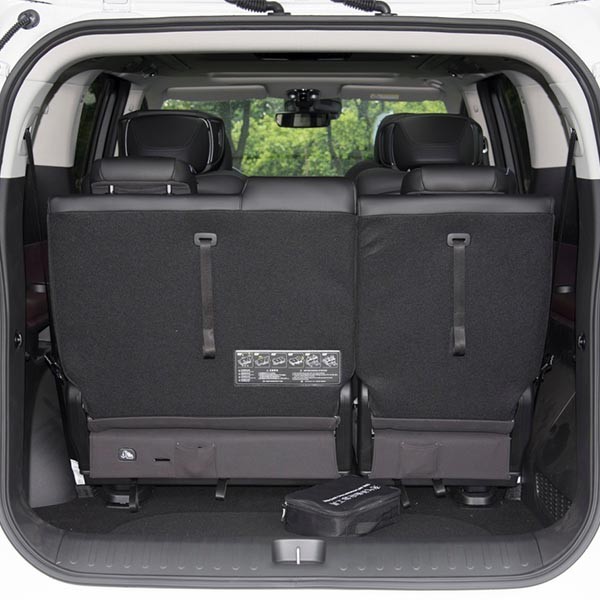
Lightweight and durable automotive seat back panel solutions by Polyreflex. PP bubble board and honeycomb panels with OEM customization available.
PP Bubble Board vs Other Automotive Panel Materials
Different automotive applications require different material solutions. However, PP Bubble Board offers an excellent balance between performance and cost.
| Material | Weight | Cost | Impact Resistance | Processability |
PP Bubble Board | Lightweight | Low | Good | Excellent |
PP Honeycomb Panel | Very Lightweight | Medium | Excellent | Good |
| ABS Sheet | Medium | Higher | Good | Good |
| Plywood | Heavy | Medium | Medium | Limited |
| Solid PP Sheet | Heavy | Medium | Good | Good |
Compared with solid materials, PP Bubble Board offers significant weight reduction and easier handling. Compared with higher-end engineering plastics, it provides a more economical option for large-scale automotive projects.
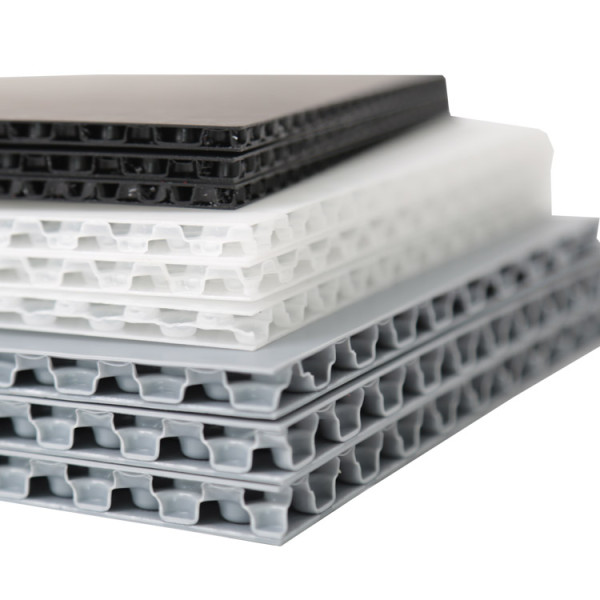
PP honeycomb board has light weight and strong load-bearing capacity, it is the best material for turnover logistics packaging.
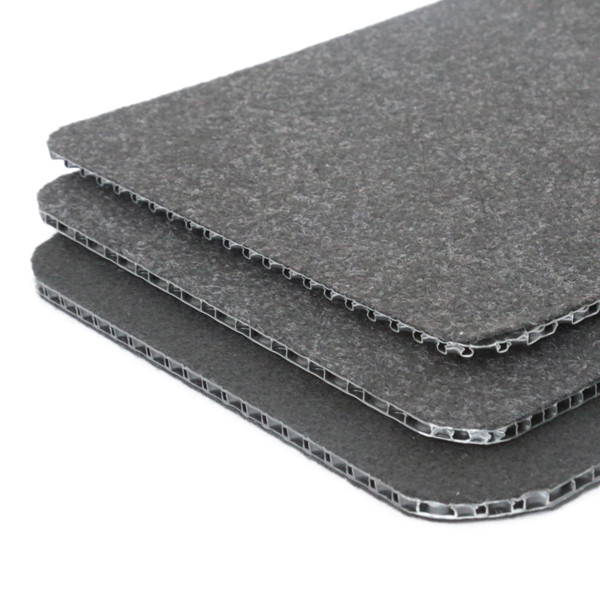
It can noise insulate, noise reduce, load bear, offer used as spare wheel cover, seat back, side and roof panel of automotive
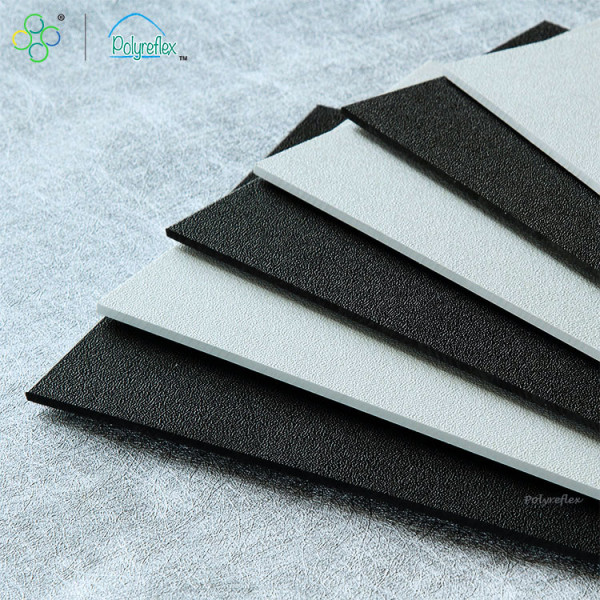
Polyreflex ABS sheet is a highly impact-resistant plastic, designed for easy thermoforming, CNC machining, and laser cutting.
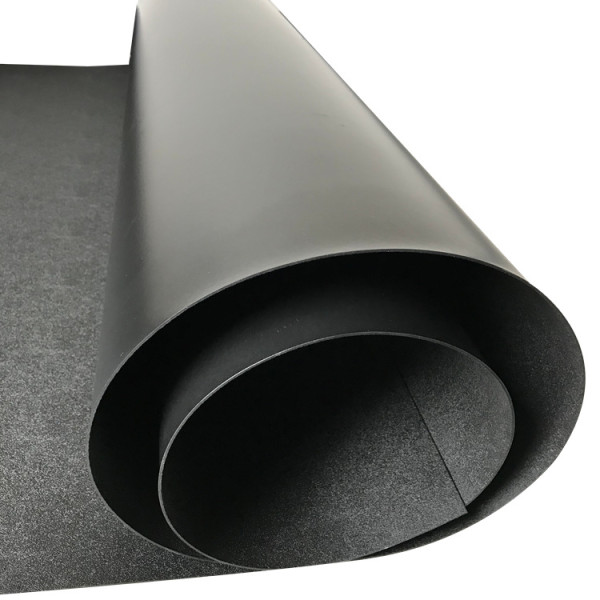
Elastic material, harmless, possess good hardness, flex fatigue and impact resistance, suitable for injection & vacuum forming
How PP Bubble Board Is Processed into Automotive Components
One of the key reasons PP Bubble Board is popular in automotive manufacturing is its flexible processing capability.
CNC Machining
CNC cutting allows manufacturers to produce precise automotive components with accurate dimensions, holes and complex shapes.
Customized CNC machining is commonly used for:
Vacuum Forming
For certain automotive applications, PP Bubble Board can also be thermoformed into curved or shaped structures.
Vacuum forming helps manufacturers create lightweight components with improved structural design and appearance.
Edge Sealing and Welding
Edge sealing and welding improve the durability and appearance of finished automotive components.
These processes also help improve moisture resistance and overall structural stability.
Custom Lamination and Surface Treatment
PP Bubble Board surfaces can be laminated with decorative films, fabrics or protective layers to meet automotive design requirements.
Surface treatments may include:
Assembly with Automotive Components
PP Bubble Board components can be combined with:
This allows manufacturers to create fully functional automotive assemblies.
Why Choose Polyreflex for Automotive PP Bubble Board Solutions
As a professional manufacturer of thermoplastic sheets and automotive plastic materials, Polyreflex provides customized PP Bubble Board solutions for global automotive customers.
Professional Automotive Material Manufacturing
Polyreflex specializes in lightweight thermoplastic sheet manufacturing for automotive applications, including:
The company understands the performance requirements of automotive interior and protection components.
Custom Thickness, Weight and Surface Options
Different automotive applications require different specifications. Polyreflex provides customized:
This helps customers optimize both performance and cost.
In-House Processing Capabilities
In addition to material production, Polyreflex also offers fabrication services including:
This allows customers to source both raw materials and semi-finished components from one supplier.
OEM and Tier Supplier Experience
Polyreflex works with automotive manufacturers, component suppliers and industrial customers worldwide, supporting OEM and customized production requirements.
Stable Quality and Global Supply
With advanced production capabilities and strict quality control, Polyreflex provides stable product quality and reliable global supply for automotive projects.
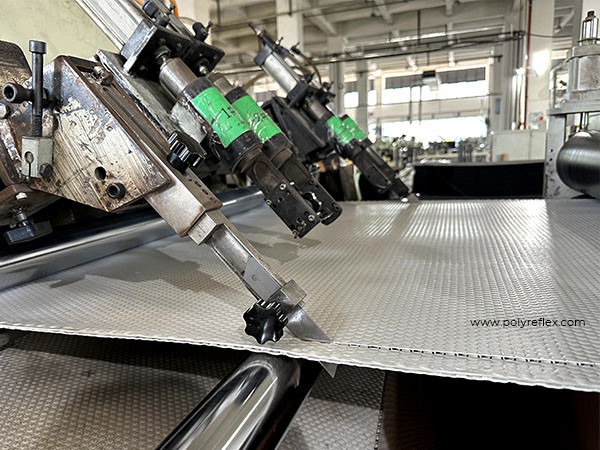
PP Bubble Board Production
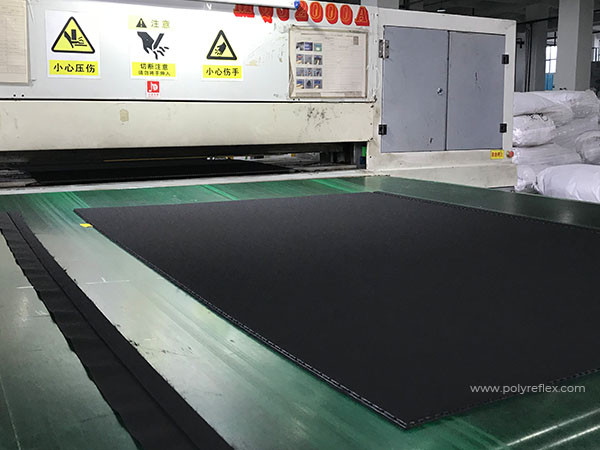
Fabric Laminated PP Bubble Board Production
Conclusion
As the automotive industry continues to pursue lightweight, durable and cost-efficient materials, PP Bubble Board has become an increasingly valuable solution for many automotive applications.
Its lightweight hollow structure, impact resistance, waterproof performance and easy fabrication capabilities make it suitable for automotive interior panels, trunk systems, floor protection boards and logistics packaging solutions.
Compared with many traditional materials, PP Bubble Board offers an excellent balance between performance and affordability, helping automotive manufacturers reduce costs while improving efficiency.
With extensive experience in thermoplastic sheet manufacturing and automotive fabrication, Polyreflex provides customized PP Bubble Board solutions for OEMs, Tier suppliers and industrial customers worldwide.
If you are looking for lightweight and cost-effective automotive plastic panel solutions, Polyreflex can help support your next project.
FAQ
What is PP Bubble Board used for in automotive applications?
PP Bubble Board is commonly used for automotive interior panels, trunk floor boards, seat back panels, floor protection boards and returnable packaging systems.
Is PP Bubble Board stronger than corrugated plastic sheet?
Yes. PP Bubble Board usually provides better rigidity, flatness and impact resistance compared with standard corrugated plastic sheets.
Can PP Bubble Board be CNC machined?
Yes. PP Bubble Board can be easily processed through CNC cutting, die cutting, welding and thermoforming.
What thickness is suitable for automotive panels?
Common automotive thicknesses range from 3 mm to 10 mm, depending on the application and required strength.
Is PP Bubble Board recyclable?
Yes. PP Bubble Board is made from polypropylene material, which is recyclable and environmentally friendly.
Can PP Bubble Board replace plywood in automotive interiors?
In many applications, yes. PP Bubble Board offers lower weight, waterproof performance and easier processing compared with plywood.