How Thermoplastic Panels Help Reduce Vehicle Weight
The Growing Importance of Lightweighting in the Automotive Industry
Lightweighting has become a central focus across the global automotive industry. Whether for internal combustion engine vehicles or electric vehicles (EVs), reducing vehicle weight directly contributes to improved fuel efficiency, extended driving range, and lower emissions. For EV manufacturers in particular, every kilogram saved translates into better battery performance and increased range—two critical factors influencing consumer adoption.
At the same time, automotive OEMs and Tier 1 suppliers face increasing pressure to meet sustainability targets while maintaining performance, safety, and cost efficiency. This has driven a shift away from traditional materials like steel and wood-based boards toward advanced lightweight alternatives.
In this context, thermoplastic panels have emerged as a key solution. They offer a unique combination of low weight, high strength, design flexibility, and recyclability—making them an essential material in modern vehicle design.
What Are Thermoplastic Panels?
Thermoplastic panels are engineered sheets made from polymers that can be repeatedly heated, formed, and cooled without losing their core properties. Common thermoplastic materials used in automotive applications include polypropylene (PP), acrylonitrile butadiene styrene (ABS), and thermoplastic olefin (TPO).
Unlike thermoset materials, which cannot be reshaped once cured, thermoplastics allow for flexible processing and efficient manufacturing. Compared to traditional materials such as plywood or metal sheets, thermoplastic panels offer superior weight reduction, corrosion resistance, and production efficiency.
At Polyreflex, key thermoplastic panel solutions include:
Each of these materials is engineered to meet specific automotive performance requirements while supporting lightweight design.
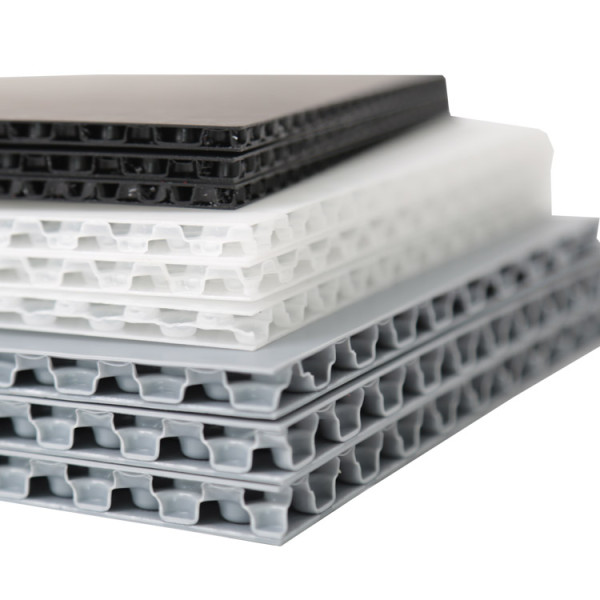
PP honeycomb board has light weight and strong load-bearing capacity, it is the best material for turnover logistics packaging.
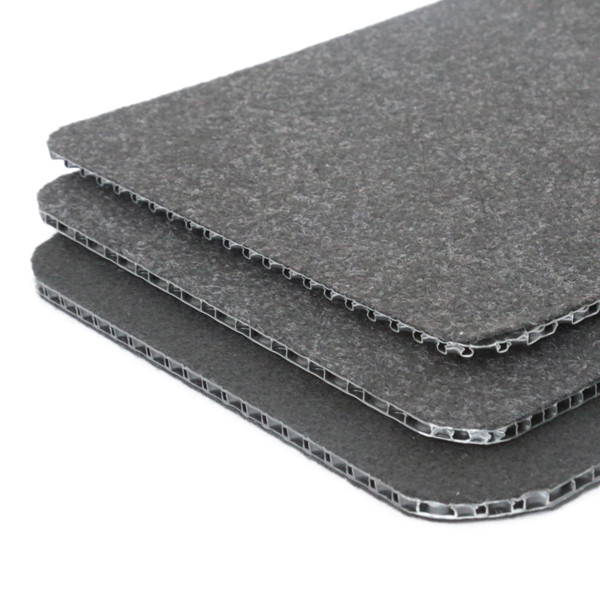
It can noise insulate, noise reduce, load bear, offer used as spare wheel cover, seat back, side and roof panel of automotive
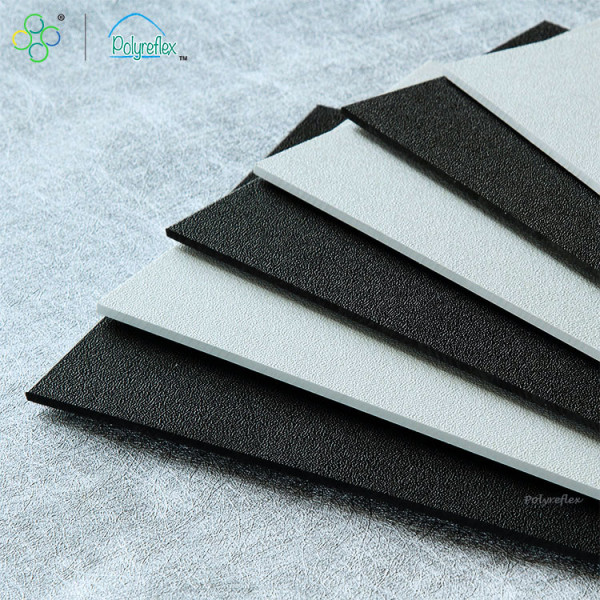
Polyreflex ABS sheet is a highly impact-resistant plastic, designed for easy thermoforming, CNC machining, and laser cutting.
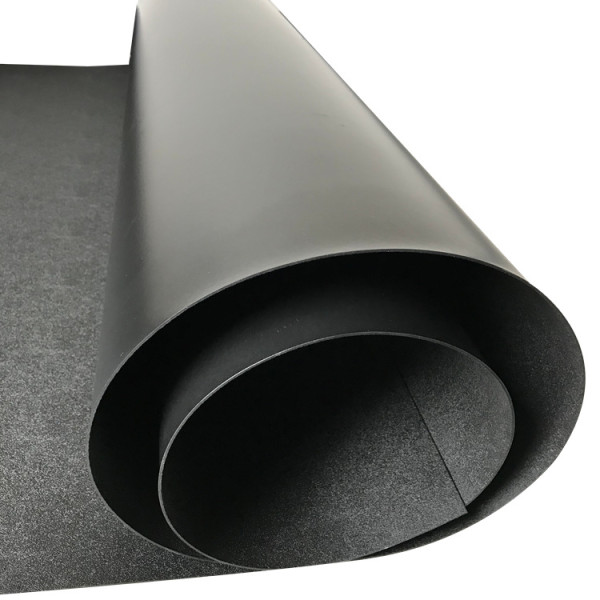
Elastic material, harmless, possess good hardness, flex fatigue and impact resistance, suitable for injection & vacuum forming
Why Thermoplastic Panels Reduce Vehicle Weight
Lightweight Structural Design
One of the most significant advantages of thermoplastic panels lies in their structural design. For example, PP honeycomb panels feature a hollow core structure that dramatically reduces weight while maintaining high rigidity. This design mimics natural honeycomb geometry, delivering excellent load-bearing performance with minimal material usage.
High Strength-to-Weight Ratio
Thermoplastics provide an optimal balance between strength and weight. Compared to traditional materials, they can achieve similar mechanical performance at a fraction of the mass. This makes them ideal for semi-structural automotive components such as seat backs and trunk floors.
Lower Material Density
Thermoplastic materials like PP and TPO have inherently lower densities than metals and wood-based boards. This means that even solid thermoplastic sheets are significantly lighter than their traditional counterparts, contributing to overall vehicle weight reduction.
Part Integration Opportunities
Thermoplastic processing techniques allow for the integration of multiple functions into a single component. Through thermoforming or vacuum forming, complex geometries can be produced in one piece, reducing the need for additional parts, fasteners, or reinforcements. Fewer components mean lower overall weight and simplified assembly.
Key Thermoplastic Materials Used in Automotive Lightweighting
PP Honeycomb Panels
PP honeycomb panels are widely used in automotive applications that require both lightweight performance and structural strength. Their multi-layer structure provides excellent stiffness while minimizing material usage.
Typical applications include:
PP Bubble Board
PP bubble board is a cost-effective lightweight solution with a unique bubble-like core structure. It offers good impact resistance and durability, making it suitable for non-structural interior applications.
Typical applications include:
ABS Sheets
ABS sheets are known for their excellent surface finish, rigidity, and impact resistance. They are commonly used in interior components where aesthetics and durability are important.
Typical applications include:
TPO / HDPE Sheets
TPO / HDPE sheets provide outstanding impact resistance, weatherability, and chemical resistance, making them ideal for exterior automotive applications.
Typical applications include:
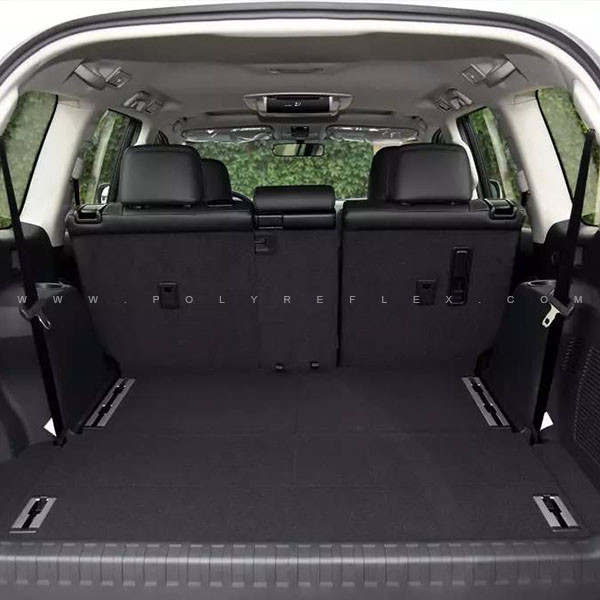
Trunk Floor / Seat Back Panel
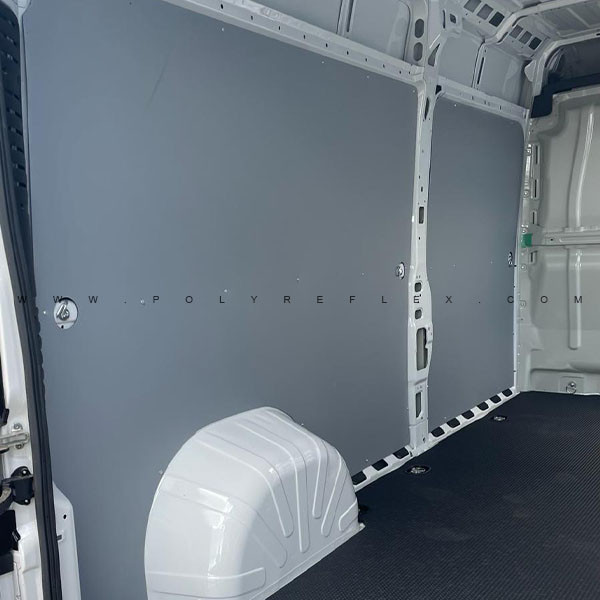
Automotive Wall Panel
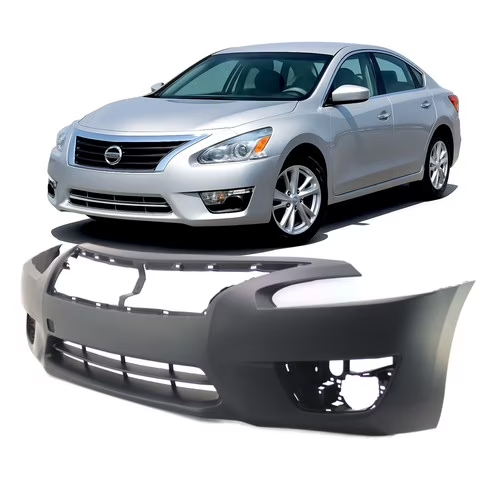
Front Bumper
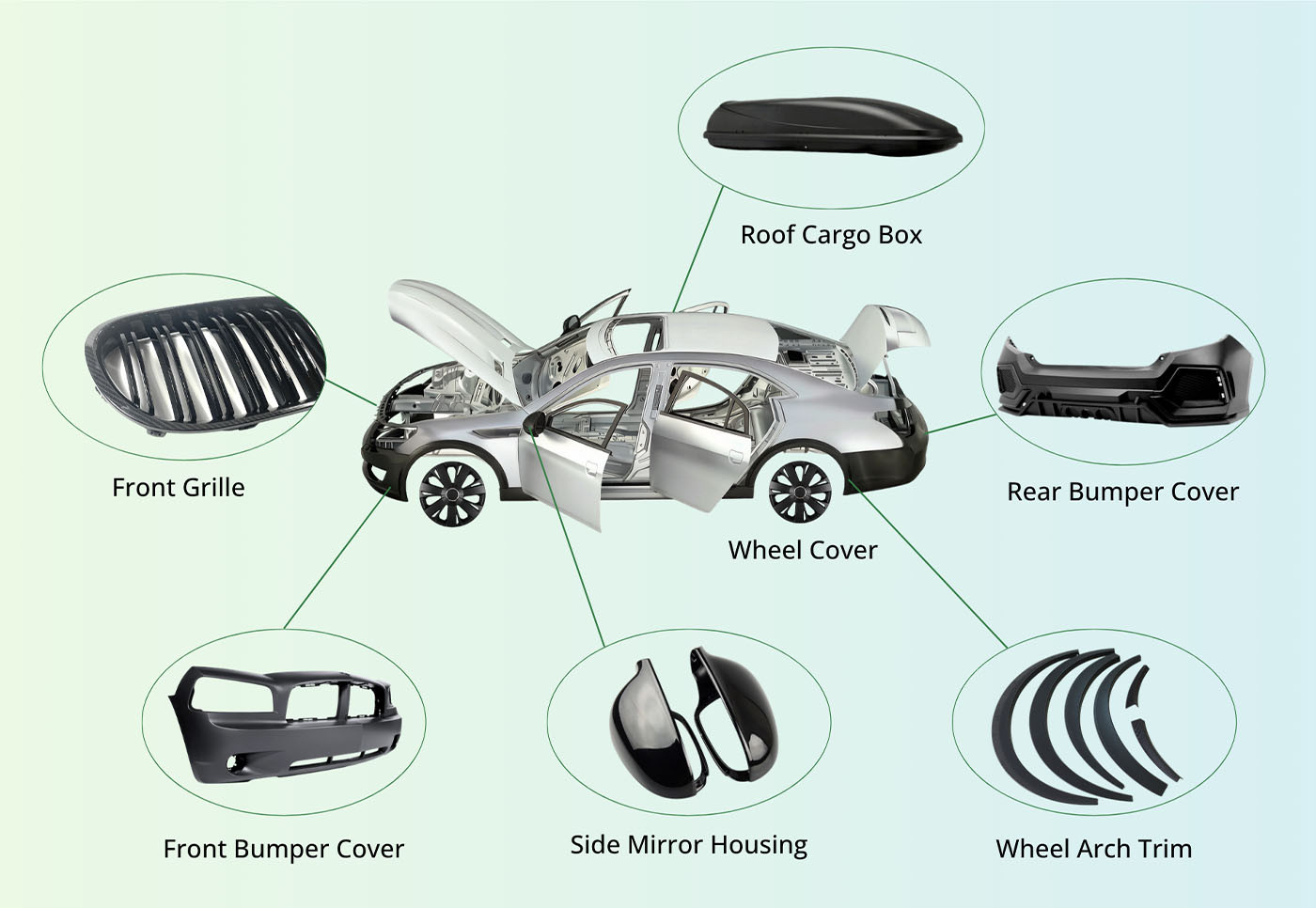
Automotive Applications of Lightweight Thermoplastic Panels
Thermoplastic panels are now widely used across both interior and exterior automotive components. Key applications include:
By replacing heavier traditional materials, thermoplastic panels contribute significantly to overall vehicle weight reduction.
Manufacturing Processes That Enhance Lightweight Performance
CNC Machining
CNC machining allows for precise cutting and shaping of thermoplastic panels according to specific design requirements. This ensures optimal material usage and reduces unnecessary weight while maintaining tight tolerances.
Vacuum Forming
Vacuum forming is widely used to produce complex automotive components from thermoplastic sheets. It enables the creation of lightweight, integrated structures that would otherwise require multiple parts.
Thermoforming and Lamination
Thermoforming processes allow thermoplastic panels to be molded into specific shapes, while lamination can enhance surface properties such as texture, appearance, and durability. These processes enable both functional and aesthetic customization.
Together, these manufacturing capabilities support the production of lightweight, high-performance automotive components tailored to OEM and Tier 1 requirements.
Design Flexibility and Cost Efficiency
Beyond weight reduction, thermoplastic panels offer significant advantages in design and cost optimization.
Manufacturers can customize panel thickness, density, and internal structure to meet specific performance targets. This flexibility allows engineers to optimize each component for its intended application, avoiding over-engineering and unnecessary weight.
Additionally, the reduced weight of thermoplastic panels lowers transportation costs and simplifies handling during assembly. Integrated designs also reduce the number of components and assembly steps, leading to lower production costs.
For automotive manufacturers, these benefits translate into improved efficiency across the entire value chain.
Sustainability Advantages of Thermoplastic Panels
Sustainability is becoming an increasingly important consideration in automotive material selection. Thermoplastic panels support this goal in several ways:
Compared to traditional materials, thermoplastics offer a more sustainable pathway without compromising performance.
How Polyreflex Supports Automotive Lightweight Solutions
Polyreflex provides a comprehensive range of thermoplastic panel solutions tailored for the automotive industry. With expertise in both material manufacturing and downstream processing, Polyreflex supports customers from concept to finished component.
Key capabilities include:
By combining material innovation with processing expertise, Polyreflex helps automotive manufacturers achieve their lightweighting goals efficiently and reliably.
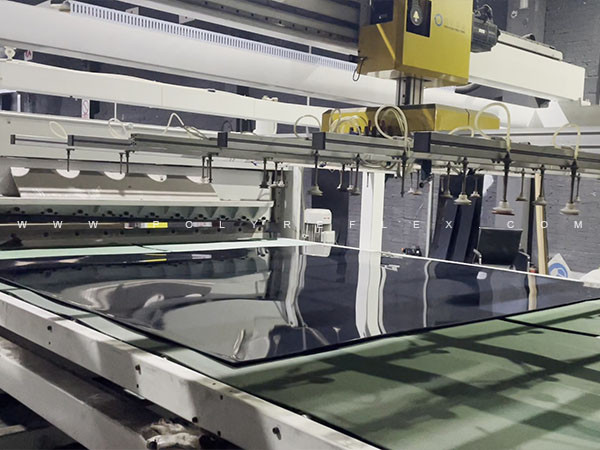
HDPE Sheets
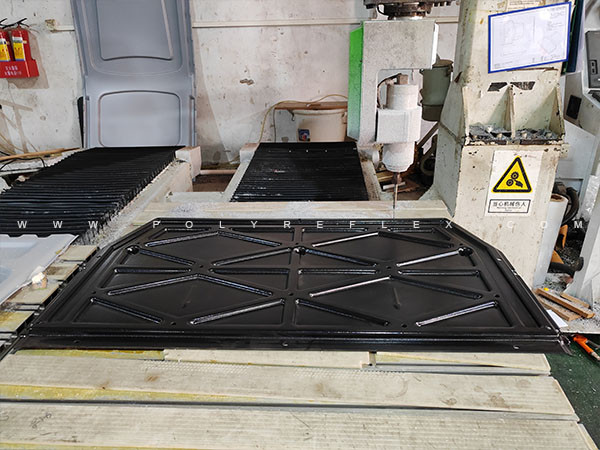
Underbody Shield
Conclusion
As the automotive industry continues to evolve, lightweighting will remain a critical factor in improving performance, efficiency, and sustainability. Thermoplastic panels offer a proven solution by delivering high strength, low weight, and exceptional design flexibility.
From trunk floors to underbody shields, these materials are transforming how vehicles are designed and manufactured. With the right material selection and processing approach, automotive manufacturers can achieve significant weight reductions without compromising quality or durability.
Polyreflex stands ready to support this transition with advanced thermoplastic panel solutions and customized manufacturing capabilities—helping customers build lighter, more efficient vehicles for the future.
FAQ: Thermoplastic Panels for Automotive Applications
Q1. How much weight can thermoplastic panels reduce in a vehicle?
A: Weight reduction depends on the application and material used, but thermoplastic panels can typically reduce component weight by 20% to 60% compared to traditional materials like steel or plywood. In lightweight structures such as trunk floors or seat back panels, the reduction can be even higher when using honeycomb designs.
Q2. Are thermoplastic panels strong enough to replace metal in automotive parts?
A: In many non-structural and semi-structural applications, thermoplastic panels can effectively replace metal. Materials like PP honeycomb panels and TPO sheets offer excellent strength-to-weight ratios, impact resistance, and durability, making them suitable for interior panels, underbody shields, and protective components.
Q3. What is the difference between PP honeycomb panel and PP bubble board in automotive use?
A: PP honeycomb panels are designed for higher strength and load-bearing applications, such as trunk floors and seat backs. PP bubble boards, on the other hand, are more cost-effective and flexible, making them suitable for interior panels and non-structural parts.
Q4. Can thermoplastic panels be customized for specific automotive designs?
A: Yes, thermoplastic panels can be fully customized in terms of thickness, density, size, surface finish, and structure. They can also be processed through CNC cutting, vacuum forming, and thermoforming to meet precise automotive design and engineering requirements.
Q5. What factors should be considered when selecting thermoplastic panels for automotive parts?
A: Key factors include:
Mechanical strength requirements
Weight reduction targets
Environmental exposure (heat, UV, chemicals)
Surface finish and appearance
Cost and production efficiency
Choosing the right material often requires balancing performance and cost based on the specific application.