Lightweight Plastic Materials for Automotive Floor Mats and Interior Protection
As automotive manufacturers continue to focus on lightweight vehicle design, durable interior protection, and efficient component manufacturing, the selection of suitable plastic materials has become increasingly important. Automotive floor mats, trunk mats, cargo liners, and other protective interior components must fit specific vehicle contours while helping protect interior surfaces from water, dirt, abrasion, and everyday wear.
Thermoplastic elastomer (TPE) sheets offer a versatile material option for these applications. With suitable flexibility, thermoformability, and surface characteristics, TPE sheets can be vacuum formed into three-dimensional automotive components with customized shapes and dimensions.
For automotive component manufacturers and thermoforming companies, TPE sheets provide a practical starting material for developing vehicle-specific protective products. Beyond floor mats and cargo liners, they can also be considered for selected inner door components and door sill protection parts, depending on the product design and performance requirements.
1. Why Lightweight Materials Matter in Automotive Interior Protection
Automotive interior protection components serve both functional and aesthetic purposes. They help preserve interior surfaces, improve ease of cleaning, and contribute to the overall appearance and usability of a vehicle.
Traditional interior components may use different combinations of rubber, textiles, molded plastics, and composite materials. As vehicle designs evolve, manufacturers increasingly evaluate material options that balance weight, durability, flexibility, and production efficiency.
Lightweight plastic sheets can support these objectives by providing a formable material for producing components with customized profiles. Through thermoforming, a flat sheet can be transformed into a three-dimensional part designed to follow the contours of a vehicle's floor, luggage compartment, or other interior areas.
For protective automotive components, several factors are particularly important:
TPE sheets are one material option worth considering when these requirements need to be addressed together.
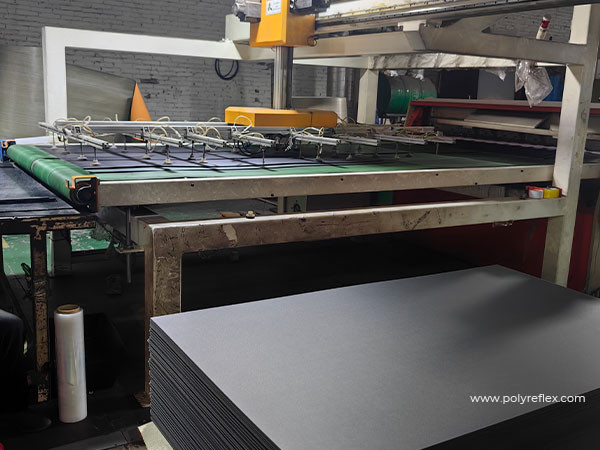
TPE Sheet Production
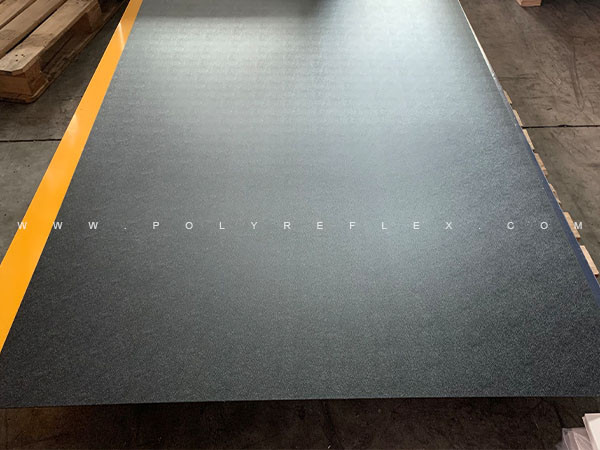
TPE Sheet
2. Why TPE Sheets Are Suitable for Automotive Interior Protection
Thermoplastic elastomers combine elastic characteristics with thermoplastic processing behavior. Depending on the formulation and grade, TPE materials can offer a useful balance of flexibility, resilience, and processability.
When supplied in sheet form, TPE can be heated and formed into components with three-dimensional profiles, making it suitable for a range of automotive interior protection applications.
Flexibility and Surface Adaptability
Flexibility is important for automotive protective components that need to follow curved surfaces, raised edges, recessed areas, and other vehicle-specific contours.
With an appropriate TPE grade and forming process, sheets can be shaped into components designed around the geometry of a vehicle's interior. This is particularly relevant to floor mats and cargo liners, where edge height and contour accuracy can influence how well the finished part fits the intended area.
The required flexibility and stiffness should be selected according to the component's design, installation method, and service conditions.
Water and Stain Resistance
Automotive floor mats and cargo liners are frequently exposed to rainwater, mud, dust, food residue, and other everyday contaminants.
Suitable TPE formulations can provide water-resistant surfaces that help protect the underlying vehicle interior. Their practical cleanability also makes them worth considering for components that require regular maintenance.
Actual resistance to oils, cleaning chemicals, temperature changes, and other substances depends on the specific material grade and should be verified against the intended application.
Lightweight Construction
Vehicle manufacturers continually evaluate opportunities to manage component weight without compromising required performance.
TPE sheets can be used to develop relatively lightweight protective components, depending on the material density, sheet thickness, and final product design. Manufacturers can evaluate these factors together to determine whether a particular TPE solution meets their weight and functional targets.
Rather than selecting a material based on weight alone, it is important to consider the complete component, including its geometry, thickness distribution, reinforcement requirements, and installation method.
Thermoforming for Customized Shapes
Vacuum forming is a practical processing method for producing three-dimensional parts from suitable thermoplastic sheets.
During the process, the sheet is heated until it reaches an appropriate forming condition. A vacuum then draws the softened material against a mold, allowing it to take on the mold's shape. After cooling, the formed part can be trimmed and finished to the required dimensions.
For automotive applications, this process supports the development of vehicle-specific floor mats, trunk liners, storage compartment liners, and selected interior trim components.
The achievable forming depth, corner definition, thickness distribution, and dimensional accuracy depend on the material, tooling design, sheet thickness, and processing parameters.
3. Automotive Applications of Vacuum-Formed TPE Sheets
TPE sheets can be considered for several automotive interior protection applications. The appropriate material grade and forming conditions depend on the geometry, installation requirements, and expected service environment of each component.
Automotive Floor Mats
Automotive floor mats help protect vehicle flooring from dirt, water, mud, and daily foot traffic. They are commonly designed for driver and passenger footwells, where the contours and dimensions vary between vehicle models.
Vacuum-formed TPE sheets can be shaped into floor mats with raised edges, molded contours, and designated footwell profiles. These features can help contain dirt and moisture and reduce contamination of the underlying carpet.
For manufacturers developing vehicle-specific floor mats, important considerations include:
The finished floor mat must also be designed to fit securely and must not interfere with accelerator, brake, or clutch pedal operation. Vehicle-specific fit and appropriate retention features are essential safety considerations.
Trunk Mats and Cargo Liners
Trunk mats and cargo liners protect the luggage compartment of passenger cars, SUVs, and other vehicles from spills, dirt, scratches, and wear caused by luggage or transported items.
Compared with flat protective sheets, vacuum-formed cargo liners can follow the shape of the trunk floor and incorporate raised edges or recessed sections. This helps manufacturers develop products that fit the intended cargo area more closely.
TPE sheets can serve as the starting material for these components, subject to the required forming depth, material properties, and product specifications.
When selecting TPE sheets for trunk mats and cargo liners, manufacturers should consider:
For vehicle-specific programs, the material and forming process should be evaluated together to achieve the required fit and functional performance.
Storage Compartment Mats and Liners
Many vehicles include additional storage spaces beneath the trunk floor, inside side compartments, or in other designated areas. These spaces may be used to store tools, emergency equipment, accessories, and personal belongings.
Storage compartment mats and liners help protect these areas from dirt, moisture, and abrasion. Because storage compartments often have irregular shapes and recessed sections, custom forming can be useful for achieving the required geometry.
Vacuum-formed TPE sheets can be considered for these applications where the material grade and component design meet the project's requirements.
Potential design considerations include compartment dimensions, recess depth, corner geometry, edge profiles, and the need for easy removal during cleaning or maintenance.
For automotive component manufacturers, customized TPE liners offer a way to develop protective inserts for specific vehicle platforms or storage configurations.
Inner Door Components
Automotive door interiors contain multiple components designed to provide protection, comfort, and an integrated appearance. Depending on the vehicle architecture, these may include door trim, lower protective sections, pockets, and other molded parts.
TPE sheets can be considered for selected vacuum-formed inner door components where flexibility, surface characteristics, and three-dimensional shaping are appropriate for the design.
Potential applications depend on the component's position and function. Material selection should account for dimensional stability, attachment methods, contact with other materials, temperature exposure, and any relevant automotive interior requirements.
It is also important to distinguish a vacuum-formed TPE component from a complete door trim assembly. A finished door panel may incorporate a structural substrate, decorative covering, foam, fasteners, and other integrated elements. The suitability of TPE sheet forming depends on the specific part being developed.
Door Sill and Threshold Protection Components
Door sill areas are exposed to repeated contact when occupants enter and leave a vehicle. Shoes, luggage, and other objects can cause scratches, scuffs, and surface wear around the door opening.
Selected door sill or threshold protection components can be developed using thermoformed TPE sheets when the intended design and installation requirements are compatible with the material.
Formed profiles may be designed to follow the contours of the door opening and provide a protective surface in areas exposed to everyday contact.
For these applications, manufacturers should evaluate abrasion resistance, dimensional stability, surface appearance, attachment methods, and compatibility with adjacent interior materials.
Not every door sill component is suitable for sheet vacuum forming. The choice depends on whether the intended part is a flexible protective liner, a formed trim component, or a structural threshold element.
4. How Vacuum Forming Turns TPE Sheets into Automotive Components
Vacuum forming transforms a flat thermoplastic sheet into a three-dimensional component. For automotive interior protection products, the process makes it possible to develop customized shapes without machining the entire component from a solid block of material.
The main stages generally include the following.
Step 1: TPE Sheet Selection
The sheet is selected according to the intended component, thickness requirements, forming depth, surface appearance, and expected service conditions.
Material properties and forming characteristics should be reviewed before tooling and production parameters are finalized.
Step 2: Sheet Heating
The TPE sheet is heated to an appropriate forming temperature. Heating conditions must be controlled to achieve suitable material softening while avoiding excessive degradation or uneven forming behavior.
The appropriate temperature range depends on the specific TPE formulation and sheet construction.
Step 3: Vacuum Forming
The heated sheet is positioned over or around a mold, and a vacuum draws the softened material against the mold surface.
The mold defines the main shape of the finished component, including its contours, recesses, and raised edges. Tooling design and process settings influence how evenly the sheet forms over complex areas.
Step 4: Cooling and Trimming
After the sheet has formed to the desired shape, it is cooled sufficiently to retain its geometry. Excess material is then trimmed, and additional cutting or finishing operations may be performed where necessary.
Trimming accuracy is particularly important for components that must align with specific vehicle interior dimensions.
Step 5: Quality Inspection
The finished component is checked against the relevant product specifications. Depending on the project, inspection may include dimensional accuracy, surface appearance, forming consistency, edge quality, and fit against a reference part or vehicle fixture.
For automotive production programs, process consistency and repeatability are important considerations when moving from prototype development to larger production volumes.
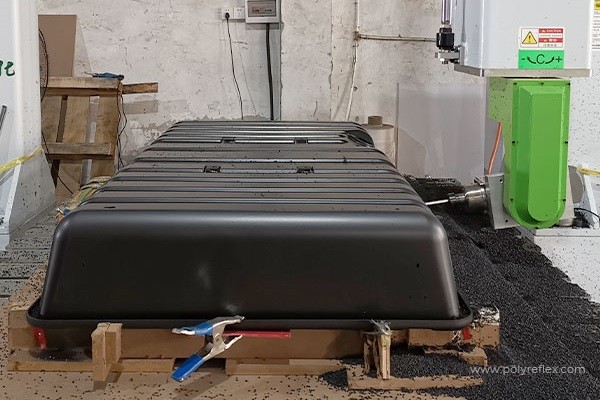
CNC Machining
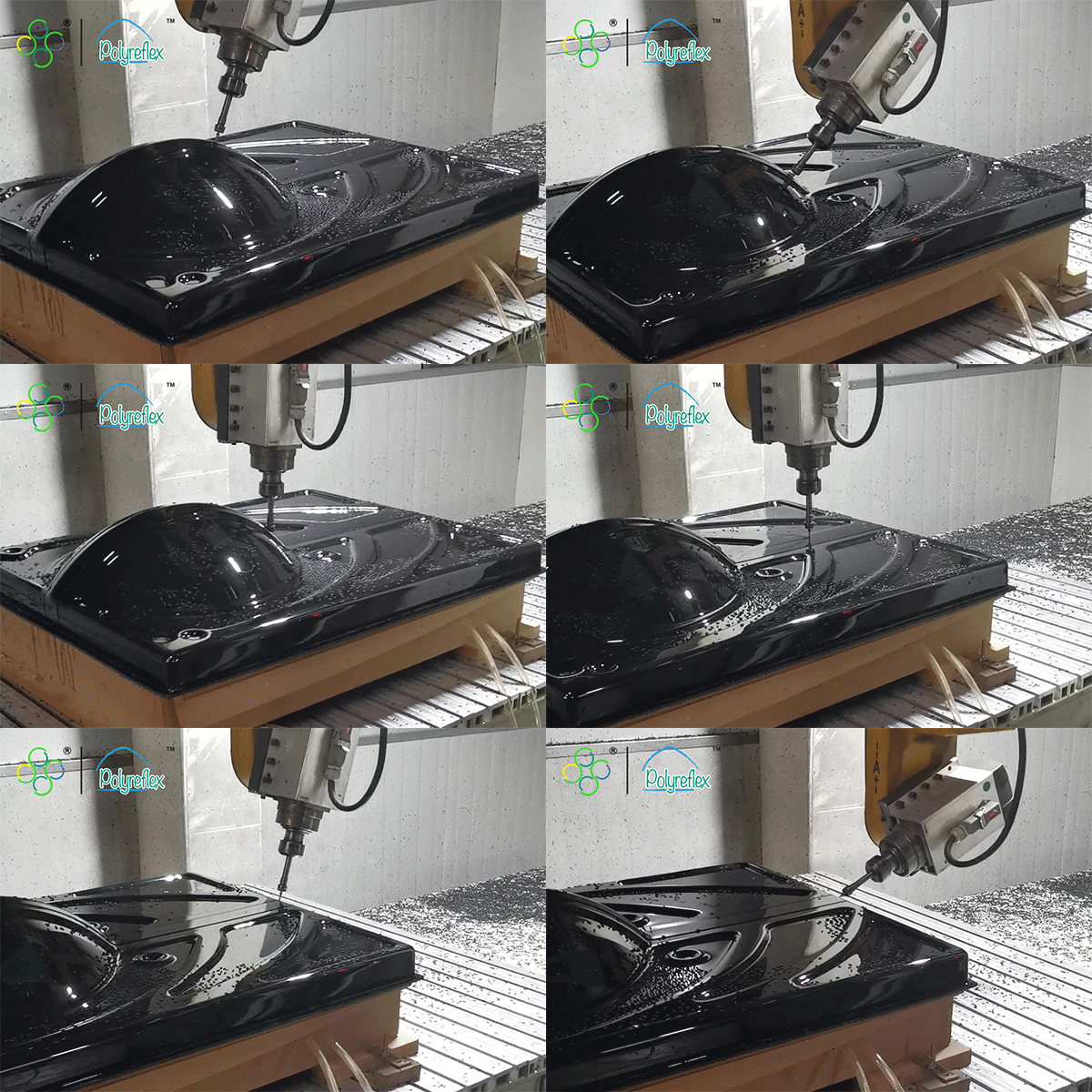
ABS Part CNC Machining
5. Key Factors When Selecting TPE Sheets for Automotive Applications
Choosing an appropriate TPE sheet requires more than matching the material name to the intended product. Manufacturers should evaluate the complete application, including the forming process and final component requirements.
Thickness and Forming Depth
Sheet thickness affects material usage, component weight, stiffness, and the amount of material available for stretching during forming.
Deep recesses and complex contours may cause greater local thinning than shallow profiles. Therefore, the starting thickness should be evaluated alongside the mold design and the expected thickness distribution in the finished component.
Flexibility and Rigidity
A floor mat may require a different balance of flexibility and shape retention from a storage compartment liner or door trim component.
Material selection should reflect how the part will be installed, handled, supported, and used. The appropriate balance depends on the specific TPE grade and the geometry of the finished product.
Surface Texture and Appearance
Surface appearance can influence both product aesthetics and practical use. Depending on the available material options, manufacturers may evaluate different colors, textures, and surface finishes.
For visible automotive interior components, appearance consistency and compatibility with adjacent materials should also be considered.
Dimensional Consistency
Consistent sheet thickness and material properties help thermoforming manufacturers maintain more predictable processing conditions.
Variations in sheet characteristics can affect heating, forming behavior, material distribution, and finished part dimensions. Establishing suitable incoming material specifications can therefore support production quality.
Application-Specific Performance Requirements
Automotive components may be subject to requirements for temperature resistance, abrasion, odor, volatile organic compounds (VOCs), flammability, chemical exposure, or other performance characteristics.
These requirements vary according to the component, vehicle program, and customer specifications. Manufacturers should confirm the relevant testing methods and acceptance criteria before approving a material for production.
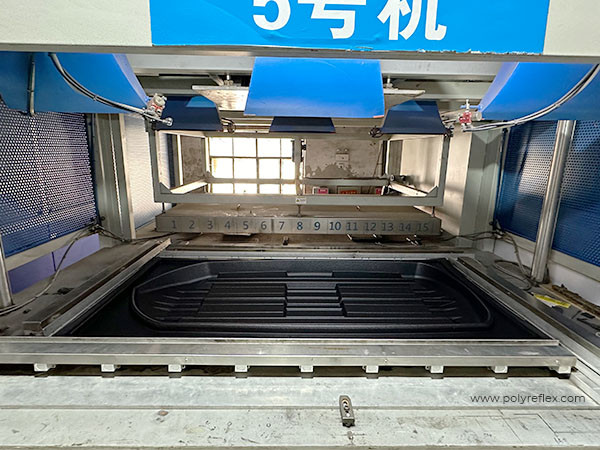
Roof Cargo Boxes Vacuum Forming
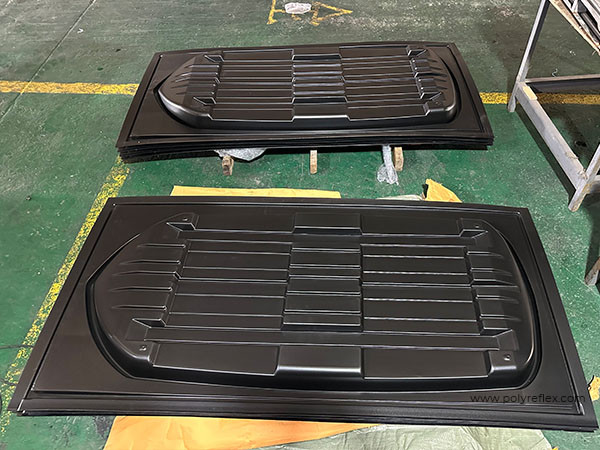
Roof Cargo Boxes after Vacuum Forming
6. Custom TPE Sheet Solutions for Automotive Component Manufacturers
Automotive component manufacturers need sheet materials that are compatible with their product designs, thermoforming equipment, and production requirements.
Polyreflex supplies plastic sheet materials for industrial applications, including TPE sheets for consideration in automotive interior component development. For projects involving vacuum-formed floor mats, trunk mats, storage compartment liners, and selected interior trim components, material selection should be based on the intended part and its processing conditions.
When evaluating TPE sheets for an automotive project, manufacturers can define the following information:
Providing these details helps establish whether a particular TPE sheet is suitable for the intended application and identifies the material characteristics that need to be confirmed.
For projects with demanding forming geometries or strict automotive specifications, sample evaluation and process trials are important steps before production approval.
Polyreflex works with customers to discuss plastic sheet requirements and identify suitable material options for their applications. Automotive component manufacturers can contact the team to discuss TPE sheet specifications for vacuum forming and customized interior protection projects.
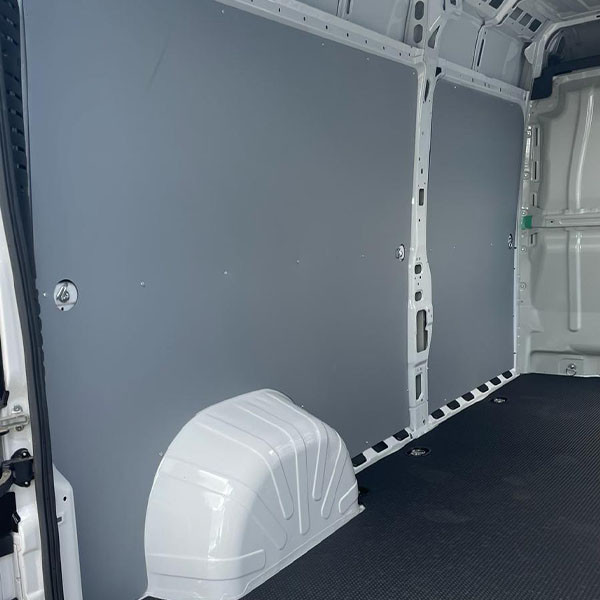
Lightweight PP bubble board and honeycomb panels for automotive interior wall, ceiling, and floor applications. Durable, moisture-resistant, and customizable.
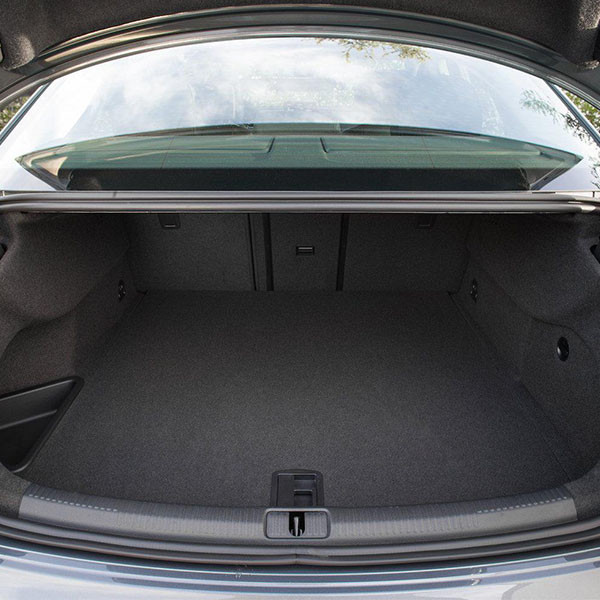
Lightweight and durable automotive trunk floor panel solutions using PP bubble board and honeycomb materials. Designed for high load capacity, moisture resistance, and OEM customization across modern vehicle cargo systems.
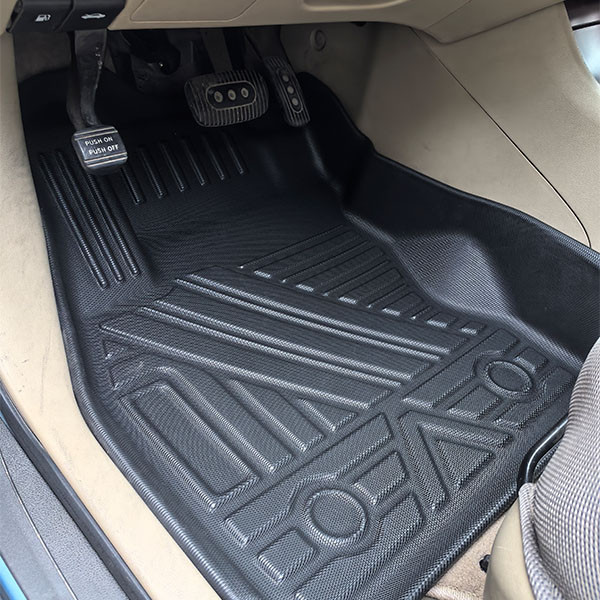
Polyreflex provides high-performance TPO/TPE thermoplastic sheets for automotive floor mats, trunk liners, and cargo protection systems, offering excellent durability, waterproof performance, and thermoforming compatibility for OEM applications.
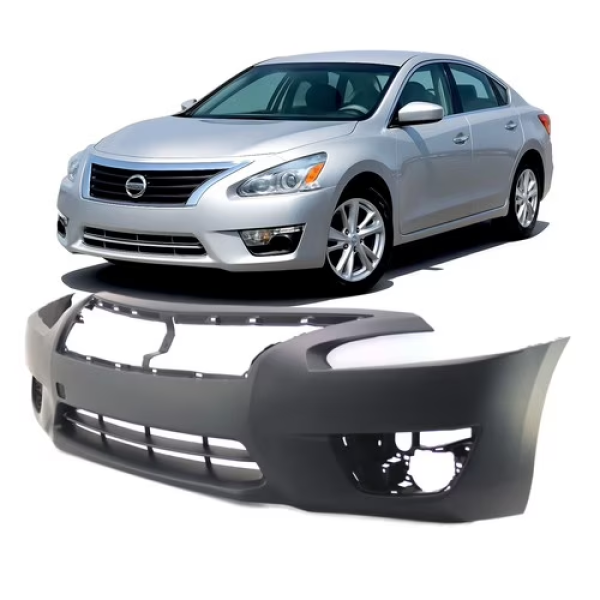
High-performance automotive exterior body panels made from ABS and TPO materials. Polyreflex offers durable, lightweight, and customizable thermoformed solutions with excellent surface finish and weather resistance.
7. Frequently Asked Questions
1. What type of plastic sheet is used for automotive floor mats?
TPE sheets are one option for producing automotive floor mats, particularly when the design requires a flexible, thermoformable material. Other materials may also be used depending on the product design, performance requirements, and manufacturing process. The final choice should be based on the intended application and verified material properties.
2. Can TPE sheets be vacuum formed into automotive floor mats?
Yes. Suitable TPE sheets can be heated and vacuum formed into three-dimensional floor mats with customized contours and raised edges. The achievable shape and forming quality depend on the TPE grade, sheet thickness, mold design, heating conditions, and vacuum-forming parameters.
3. Can TPE sheets be used for trunk mats and cargo liners?
Yes. Suitable TPE sheets can be used as the starting material for vacuum-formed trunk mats and cargo liners. The process can produce profiles designed to follow the shape of a vehicle's luggage compartment. Material selection should account for the required forming depth, fit, surface characteristics, and service conditions.
4. Can TPE sheets be thermoformed into inner door panels and door sill components?
TPE sheets can be considered for selected vacuum-formed inner door components and door sill protection parts. Suitability depends on the component's function, geometry, attachment method, and performance requirements. Complete door trim assemblies or structural threshold components may require additional materials and manufacturing processes.
5. What factors affect the thickness of TPE sheets for vacuum forming?
The appropriate sheet thickness depends on the component's dimensions, forming depth, geometry, stiffness requirements, and target weight. Deep recesses and complex contours can result in greater material thinning during forming. Manufacturers should evaluate the starting thickness together with the mold design and finished-part requirements.
6. How can automotive component manufacturers choose the right TPE sheet?
Manufacturers should define the intended application, component geometry, required thickness, flexibility, surface appearance, and relevant performance standards. They should also confirm that the material is compatible with the planned vacuum-forming process. Reviewing technical data and conducting forming trials can help establish suitability before production approval.
8. Conclusion: TPE Sheets for Lightweight Automotive Interior Protection
TPE sheets offer a versatile material option for developing vacuum-formed automotive interior protection components. Depending on the material grade and product design, they can be used to produce floor mats, trunk mats, storage compartment liners, and selected inner door and door sill components.
For automotive component manufacturers, successful material selection requires balancing formability, flexibility, component weight, surface requirements, and application-specific performance. Evaluating the sheet material together with the mold design and forming process helps establish a suitable solution for the intended component.
Polyreflex provides plastic sheet materials for industrial applications and supports discussions on material specifications for automotive projects. Contact Polyreflex to explore TPE sheet options for vacuum-formed automotive interior protection components.