
PP Honeycomb Panels for Lightweight Reusable Packaging and Industrial Protection
In modern industrial packaging and logistics, businesses are looking for materials that can protect products during transportation while reducing packaging weight and supporting repeated use. Traditional materials such as wood, solid plastic sheets, and corrugated cardboard each have their advantages, but they may not meet every requirement for lightweight, durable, and reusable packaging.
PP honeycomb panels offer an alternative solution. Made from polypropylene with a distinctive honeycomb core structure, these lightweight plastic panels combine a low material weight with structural support and good moisture resistance. They can be used in reusable packaging boxes, protective dividers, transportation liners, and various industrial protection components.
For manufacturers and packaging suppliers, PP honeycomb panels provide flexibility in material selection, panel dimensions, surface finishes, and further processing. This makes them suitable for a wide range of industrial applications where lightweight construction and product protection are important.
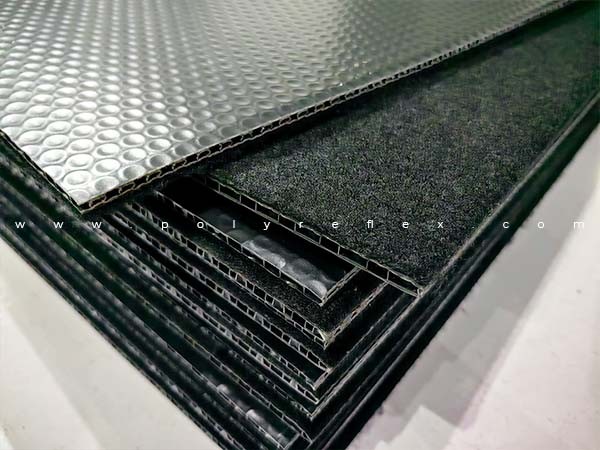
PP Bubble Board
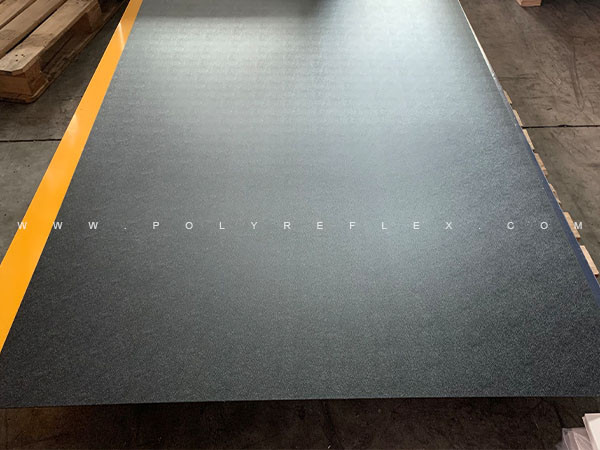
ABS Sheet
What Are PP Honeycomb Panels?
PP honeycomb panels, also known as polypropylene honeycomb boards, are lightweight structural plastic sheets made from polypropylene (PP). They feature a sandwich-like construction consisting of two outer surface layers and an internal honeycomb core.
The honeycomb core contains a series of interconnected cellular structures that create internal space within the panel. This design helps reduce material weight while providing structural support.
Unlike solid PP sheets, which have a relatively uniform internal structure, PP honeycomb panels use a hollow core to achieve a different balance between weight and structural performance.
Depending on the intended application, PP honeycomb panels can be manufactured with different thicknesses, weights, surface finishes, and structural configurations.
Common surface and structure options include:
Additional surface finishes include matte, orange peel, lichi peel, and leather textures. Fabric and leather lamination options are also available for selected applications.
Key Advantages of PP Honeycomb Panels for Industrial Applications
PP honeycomb panels offer several material and structural characteristics that make them useful in reusable packaging and industrial protection.
1. Lightweight Structure
One of the main advantages of PP honeycomb panels is their lightweight construction.
The hollow honeycomb core reduces the amount of material used compared with a solid plastic sheet of similar overall dimensions. This helps lower the weight of packaging components and protective panels.
For logistics and transportation applications, reducing packaging weight can make handling easier and help businesses manage transportation costs.
Lightweight panels are also convenient for workers who frequently assemble, move, or handle reusable packaging containers.
2. Structural Stability and Support
The honeycomb core creates a cellular structure between the two outer surface layers. This sandwich construction provides structural support while keeping the panel relatively lightweight.
Depending on panel thickness, weight, core structure, and application design, PP honeycomb panels can be used for protective dividers, packaging walls, liners, and other lightweight structural components.
For applications involving stacking, concentrated loads, or repeated mechanical stress, the panel specifications and finished product design should be evaluated carefully.
3. Moisture Resistance
Polypropylene is naturally resistant to water and moisture, making PP honeycomb panels suitable for applications where packaging materials may be exposed to humid environments or occasional water contact.
Unlike paper-based materials, polypropylene panels do not readily absorb water under normal conditions.
This characteristic makes them useful for reusable transportation packaging, industrial storage, and protective components that require better moisture resistance.
4. Reusable and Recyclable Material
PP honeycomb panels can be used to manufacture reusable packaging components designed for multiple transportation and handling cycles.
Their durability under suitable operating conditions can help businesses reduce reliance on disposable packaging materials.
Polypropylene is also a recyclable thermoplastic. Depending on the material composition, surface treatments, laminations, and local recycling facilities, PP honeycomb products may be suitable for material recovery and recycling.
5. Flexible Surface and Customization Options
Different industrial applications have different requirements for surface appearance, contact characteristics, and panel structure.
PP honeycomb panels can be supplied with various surface finishes and customized specifications.
Options may include:
These options allow manufacturers to select suitable materials for their packaging structures and industrial products.
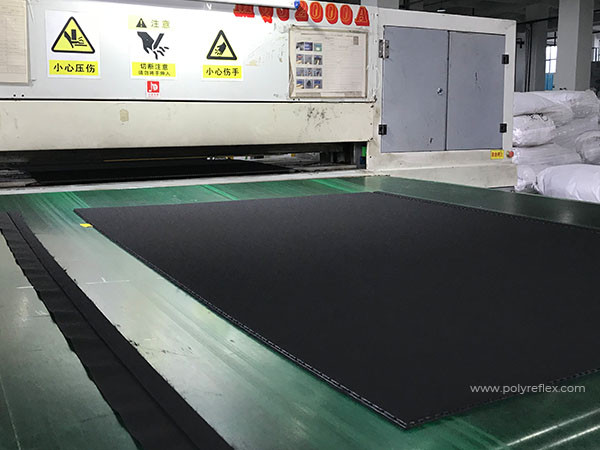
PP Bubble Board Production
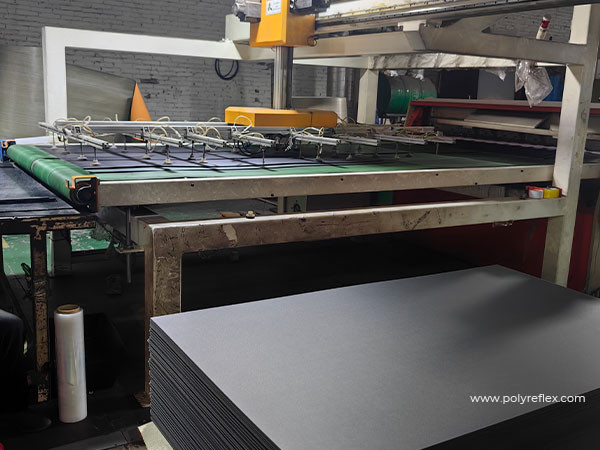
ABS Sheet Production
Applications of PP Honeycomb Panels in Reusable Packaging
Reusable packaging is widely used in automotive manufacturing, industrial production, warehousing, and supply chain transportation.
Unlike disposable packaging, reusable packaging is designed to protect products through multiple handling and transportation cycles.
PP honeycomb panels can be processed into different packaging components to meet these requirements.
1. Reusable Packaging Boxes and Containers
PP honeycomb panels can be used to manufacture lightweight reusable packaging boxes and industrial containers.
Their lightweight structure makes them easier to handle, while their moisture resistance makes them suitable for various warehouse and transportation environments.
Depending on the container design, the panels can be used for:
Customized cutting and CNC processing can help manufacturers produce panels that match different container dimensions and assembly requirements.
2. Protective Dividers and Separators
During transportation, products placed together in the same container may collide, shift, or scratch each other.
Protective dividers and separators help create individual compartments and keep products organized.
PP honeycomb panels can be processed into:
These components are particularly useful in reusable packaging systems for industrial parts, automotive components, and other products requiring organized transportation.
The panel thickness and surface type should be selected according to the product weight, contact conditions, and packaging design.
3. Protective Panels for Transportation and Storage
PP honeycomb panels can also serve as protective liners and separation panels in transportation and storage applications.
They can be used to separate products from container walls, protect selected surfaces, and create additional layers within packaging systems.
For example, manufacturers may use PP honeycomb panels as:
Their relatively low weight and moisture-resistant properties make them a practical option for applications where packaging materials need to be handled frequently.
4. Custom Packaging Components
Not every packaging requirement can be met with standard-sized panels.
Different products may require specially designed compartments, irregular panel shapes, or customized dimensions.
PP honeycomb sheets can be processed through cutting and CNC machining to produce components according to customer drawings and specifications.
For packaging manufacturers, this provides greater flexibility when developing customized reusable packaging solutions.
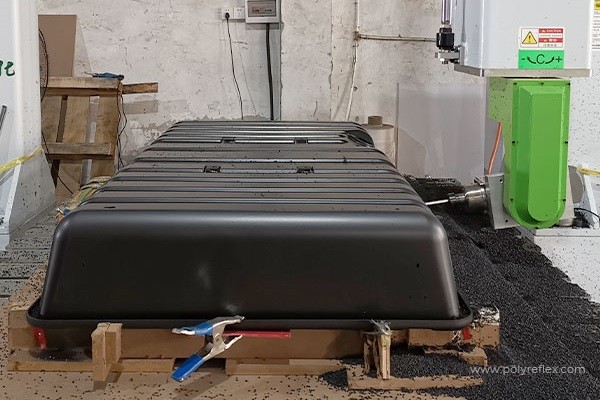
CNC Machining
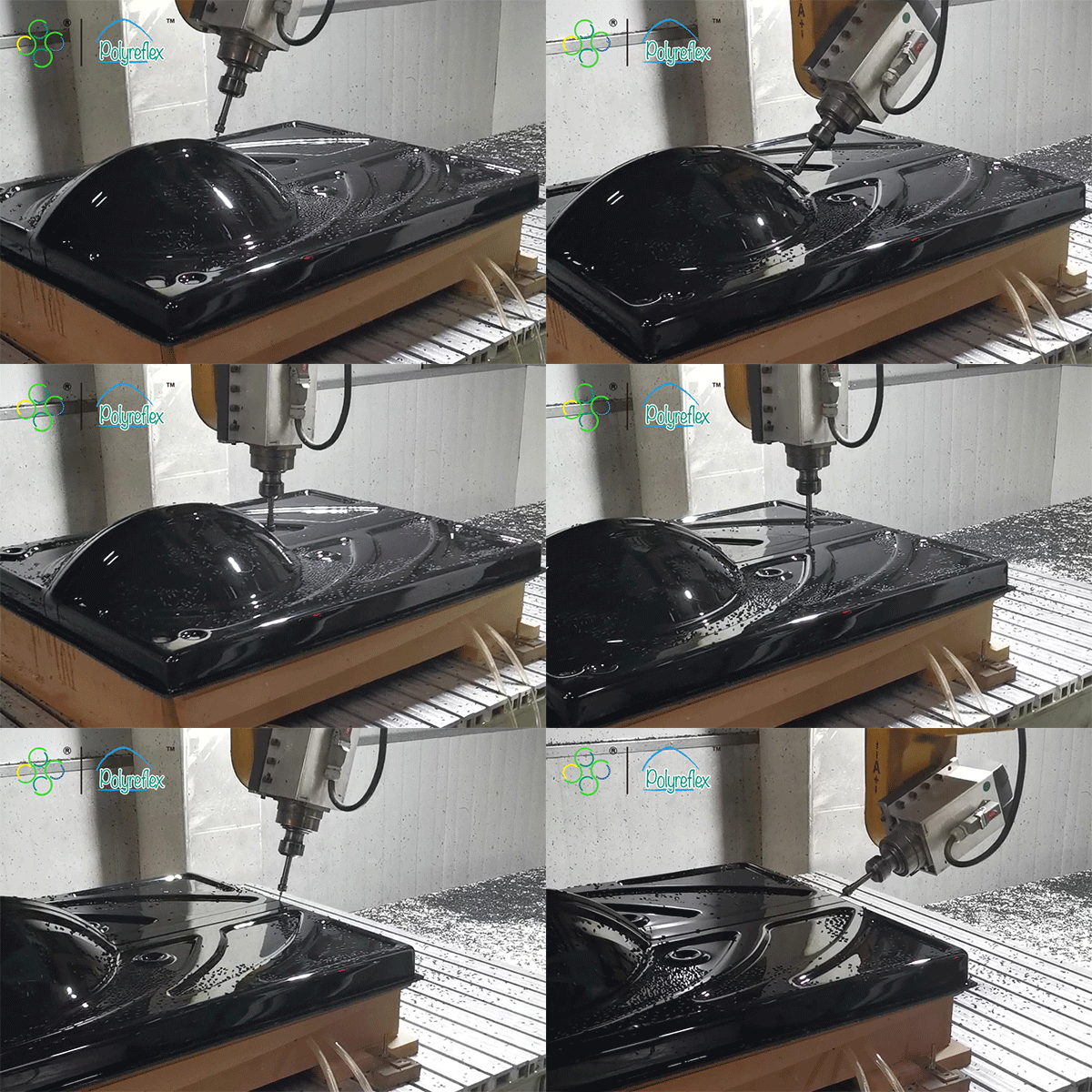
ABS Part CNC Machining
PP Honeycomb Panels for Industrial Protection
Beyond reusable packaging, PP honeycomb panels can also be used in selected industrial protection applications.
Their lightweight construction, moisture resistance, and customizable dimensions make them suitable for protective components in manufacturing, warehousing, and equipment-related environments.
1. Surface Protection Panels
Industrial products and equipment may require temporary or permanent surface protection during manufacturing, storage, and transportation.
PP honeycomb panels can be used as protective separation boards and covering panels to help reduce direct contact between products and surrounding surfaces.
Depending on the application, they can be cut into different sizes to protect equipment surfaces, work areas, and stored products.
2. Protective Liners and Interior Panels
PP honeycomb panels can be used as liners in industrial containers, storage systems, and selected equipment structures.
For example, they may serve as:
Their resistance to moisture makes them suitable for certain industrial environments where conventional paper-based materials may not perform well.
3. Lightweight Protective Structures
In applications where reducing component weight is important, PP honeycomb panels can be considered for lightweight partitions and protective structures.
The sandwich structure provides a combination of outer surface layers and an internal cellular core.
Manufacturers can select suitable panel thicknesses and weights according to the required dimensions and structural conditions.
For applications involving high mechanical loads, impact protection, or safety-critical functions, additional testing and engineering evaluation are recommended before material selection.
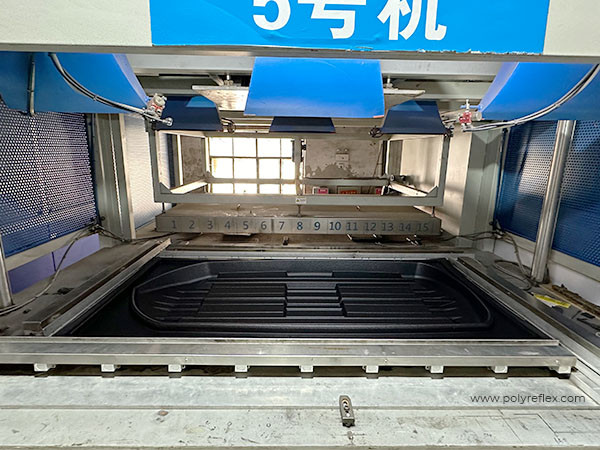
Roof Cargo Boxes Vacuum Forming
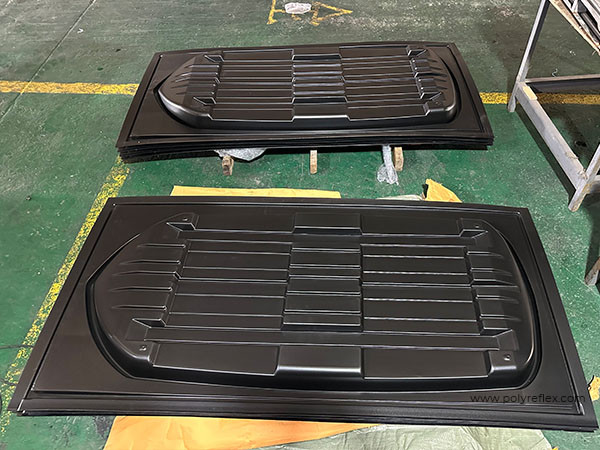
Roof Cargo Boxes after Vacuum Forming
How to Choose the Right PP Honeycomb Panel?
Selecting the right PP honeycomb panel requires more than choosing a suitable thickness. Buyers should consider the final product design, operating environment, processing requirements, and expected service conditions.
The following factors can help guide material selection.
1. Panel Thickness
Panel thickness is one of the most important specifications.
Thicker panels may be more suitable for applications requiring additional structural support, while thinner panels may be preferred when weight and space are more important.
The appropriate thickness should be determined according to the packaging structure, panel dimensions, and intended use.
2. Panel Weight (GSM)
GSM refers to the weight of the material per square meter.
Different applications require different weight specifications. Buyers should consider the balance between material weight, structural requirements, and overall packaging performance.
For large packaging components, choosing an appropriate GSM can help manage the total weight of the finished product.
3. Surface Type
The surface finish can influence the appearance and functional characteristics of the finished product.
Common options include:
For applications involving printing, corona treatment may also be considered to improve ink adhesion.
4. Panel Dimensions
Standard panel dimensions may not always match the requirements of a particular packaging design.
Buyers should consider the required panel length, width, and thickness, as well as the cutting layout and material utilization during processing.
Customized dimensions can help reduce unnecessary cutting and improve production efficiency.
5. Processing Requirements
The intended manufacturing process should also be considered when selecting PP honeycomb panels.
For example, packaging manufacturers may require cutting, CNC machining, drilling, or other fabrication processes to produce finished components.
Providing technical drawings, sample dimensions, or application details can help the material supplier recommend more suitable specifications.
Why Choose Polyreflex PP Honeycomb Panels?
Polyreflex specializes in plastic sheet materials for automotive, industrial, and packaging applications. We provide PP honeycomb panels with different structures, surface finishes, and specifications to meet various customer requirements.
Our product and customization capabilities include:
Multiple Product Structures
We offer different PP honeycomb structures, including double-sided flat, single-sided flat, and double-sided bubble options.
Various Surface Finishes
Available surface options include matte, orange peel, lichi peel, and leather textures, as well as selected fabric and leather lamination solutions.
Customized Specifications
Panel thickness, weight, dimensions, and colors can be discussed according to the intended application and customer requirements.
Additional Processing Capabilities
Our processing capabilities include cutting, CNC machining, corona treatment, and lamination for different product requirements.
Application-Oriented Material Solutions
Whether you are developing reusable packaging components, industrial protective panels, or customized plastic sheet products, our team can help evaluate suitable PP honeycomb specifications based on your application.
Contact Polyreflex to discuss your project and explore suitable polypropylene honeycomb panel solutions.
Frequently Asked Questions About PP Honeycomb Panels
1. What Is the Difference Between PP Honeycomb Panels and Solid PP Sheets?
PP honeycomb panels feature two outer layers and a hollow honeycomb core, making them lighter than solid PP sheets of comparable dimensions. Solid PP sheets have a uniform structure and are suitable for applications requiring solid material construction.
2. Are PP Honeycomb Panels Suitable for Reusable Packaging?
Yes. PP honeycomb panels are suitable for reusable packaging boxes, protective dividers, transportation liners, and storage containers. Their lightweight structure and moisture resistance make them a practical choice for repeated handling and transportation.
3. Can PP Honeycomb Panels Be Customized?
Yes. PP honeycomb panels can be customized in terms of thickness, weight, dimensions, colors, and surface finishes. Options such as corona treatment and lamination are also available for selected applications.
4. Are PP Honeycomb Panels Waterproof?
PP honeycomb panels have good moisture resistance because they are made from polypropylene. However, the overall water resistance of finished products also depends on edge sealing, joints, and construction methods.
5. Are PP Honeycomb Panels Recyclable?
Yes. Polypropylene is a recyclable thermoplastic material. However, the recyclability of finished PP honeycomb panels may depend on additional materials such as surface laminations, adhesives, and other components.
Conclusion: Choose the Right PP Corrugated Sheets for Your Packaging Needs
PP honeycomb panels offer a lightweight plastic sheet solution for reusable packaging and selected industrial protection applications.
Their honeycomb core structure, moisture resistance, customizable surfaces, and flexible processing options make them suitable for packaging boxes, protective dividers, transportation liners, and lightweight industrial panels.
For manufacturers looking to develop customized packaging components or lightweight protective products, selecting the right panel structure and specifications is essential.
Polyreflex provides PP honeycomb panels with different structures, surface finishes, and customization options to support a wide range of industrial applications.
Contact Polyreflex today to discuss your application requirements and find the right PP honeycomb panel solution for your project.