PP Honeycomb Panels in Automotive Lightweight Design
Lightweight design has become one of the most important trends in modern automotive manufacturing. As automakers face increasing pressure to improve fuel efficiency, reduce emissions, and enhance vehicle performance, the demand for lightweight materials continues to grow. Reducing vehicle weight not only improves energy efficiency but also contributes to better handling, increased driving range for electric vehicles, and lower overall production costs.
To achieve these goals, automotive manufacturers are constantly exploring new materials that offer an optimal balance between strength, durability, and weight. Among the many advanced materials available today, PP honeycomb panels have emerged as an increasingly popular solution for automotive interior and structural components.
With their unique honeycomb core structure, polypropylene honeycomb panels provide exceptional stiffness while maintaining extremely low weight. These panels are widely used in applications such as trunk floor systems, seat back panels, interior partitions, and load floors. In addition, their thermoplastic nature makes them easy to process using modern fabrication technologies such as CNC machining and thermoforming.
For automotive manufacturers and suppliers looking to optimize lightweight design while maintaining performance and durability, PP honeycomb panels offer an efficient and reliable material solution.
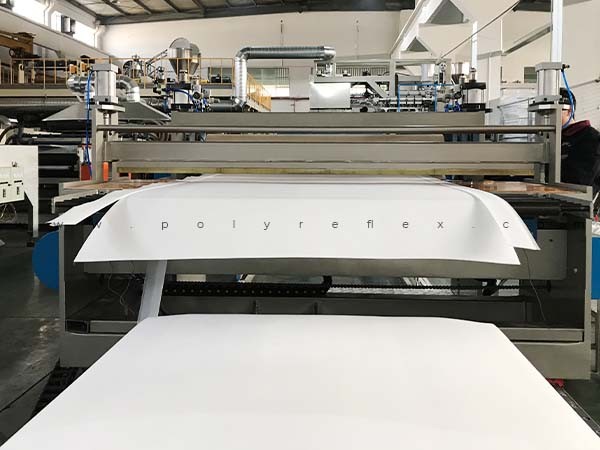
5mm PP honeycomb board
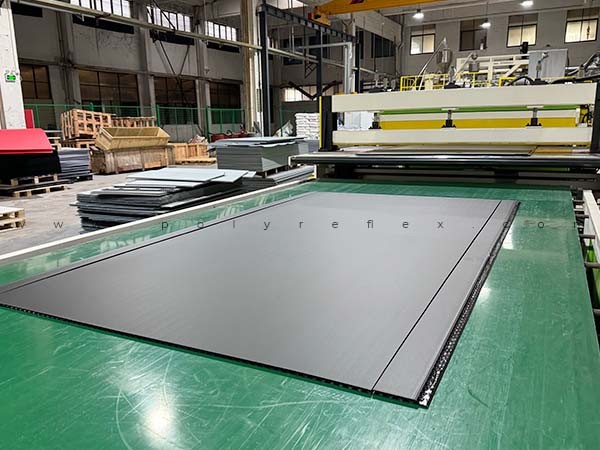
PP honeycomb board Production
The Growing Demand for Lightweight Materials in the Automotive Industry
Why Automotive Lightweighting Matters
Vehicle lightweighting has become a key priority across the global automotive industry. Governments are implementing stricter fuel efficiency and emission regulations, while consumers are increasingly demanding vehicles that offer better performance and lower environmental impact.
Reducing vehicle weight directly contributes to several important benefits:
Improved fuel efficiency
Lighter vehicles require less energy to move, which reduces fuel consumption in internal combustion vehicles and extends battery range in electric vehicles.
Lower carbon emissions
By improving fuel economy, lightweight materials help automakers meet increasingly strict environmental regulations.
Enhanced driving performance
Reducing weight improves acceleration, braking, and overall handling characteristics.
Extended electric vehicle range
For electric vehicles in particular, lightweight materials help maximize driving range without increasing battery size.
As a result, OEMs and Tier suppliers are actively adopting advanced materials that can replace heavier traditional materials such as steel, plywood, or thick solid plastics.
How Lightweight Materials Transform Vehicle Design
Modern vehicle design increasingly relies on materials that provide both structural strength and reduced weight. Engineers must balance multiple performance requirements, including stiffness, durability, impact resistance, and cost efficiency.
Lightweight thermoplastic panels offer several advantages over traditional materials:
Among these materials, honeycomb structures have proven particularly effective due to their excellent strength-to-weight ratio.
What Are PP Honeycomb Panels?
PP honeycomb panels are lightweight sandwich panels composed of a polypropylene honeycomb core bonded between thin polypropylene surface layers. This internal honeycomb structure distributes loads efficiently while minimizing material usage.
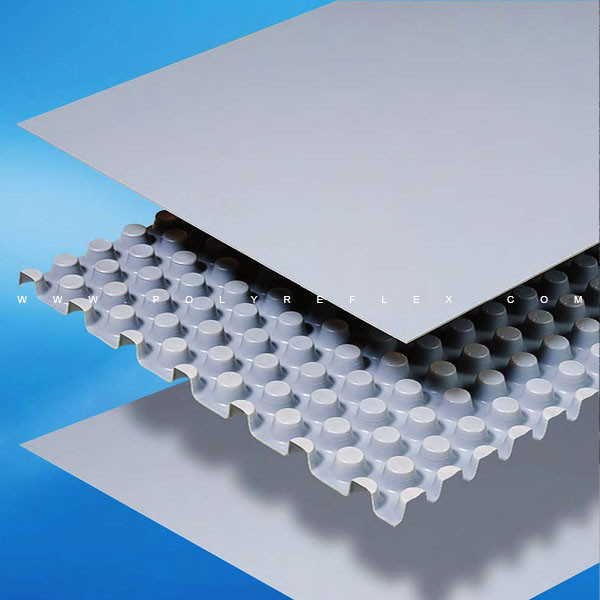
Honeycomb Structure Explained
The honeycomb core consists of a network of hexagonal cells that resemble the natural structure found in beehives. This geometric structure provides exceptional mechanical strength while maintaining extremely low density.
The honeycomb configuration allows the panel to resist bending and compression while remaining lightweight. Because the cells distribute loads across the entire structure, the panel can maintain stiffness without requiring thick or heavy materials.
This structural efficiency makes honeycomb panels an ideal solution for applications where weight reduction is critical.
Key Properties of PP Honeycomb Panels
PP honeycomb panels combine the structural benefits of honeycomb geometry with the performance characteristics of polypropylene thermoplastic materials.
Key properties include:
Lightweight structure
The honeycomb core significantly reduces weight compared with solid plastic sheets or wood-based panels.
High stiffness-to-weight ratio
Despite their low weight, honeycomb panels offer excellent rigidity and load-bearing performance.
Impact resistance
Polypropylene provides strong resistance to impact and mechanical stress.
Moisture resistance
Unlike wood-based materials, PP panels do not absorb water or swell in humid environments.
Chemical resistance
Polypropylene is resistant to many automotive fluids and chemicals.
Recyclability
As a thermoplastic material, PP honeycomb panels can be recycled, supporting sustainability initiatives in automotive manufacturing.
Key Automotive Applications of PP Honeycomb Panels
Due to their unique combination of strength, lightweight performance, and processability, PP honeycomb panels are widely used in various automotive components.
Automotive Trunk Floor Panels
One of the most common uses of honeycomb panels is in automotive trunk floor systems. Trunk floors must support heavy loads while maintaining a lightweight structure to avoid increasing overall vehicle weight.
PP honeycomb panels provide sufficient stiffness to support luggage and cargo while significantly reducing weight compared with traditional materials such as plywood or thick plastic boards.
Seat Back Panels
Seat back panels require a material that is lightweight, durable, and resistant to deformation. Honeycomb panels offer excellent rigidity and dimensional stability, making them well suited for seat back structures in passenger vehicles.
In addition, the lightweight nature of the panels contributes to improved overall vehicle efficiency.
Interior Partition and Wall Panels
In larger vehicles such as vans, commercial vehicles, and specialty vehicles, honeycomb panels can be used as interior partition walls or structural interior panels.
These panels provide a strong yet lightweight solution that is easy to install and maintain.
Load Floor and Storage Systems
Many modern vehicles incorporate modular storage systems in the trunk area. Honeycomb panels are frequently used in load floor structures and storage compartments due to their durability and load-bearing capability.
They provide a stable platform while helping maintain a lightweight vehicle design.
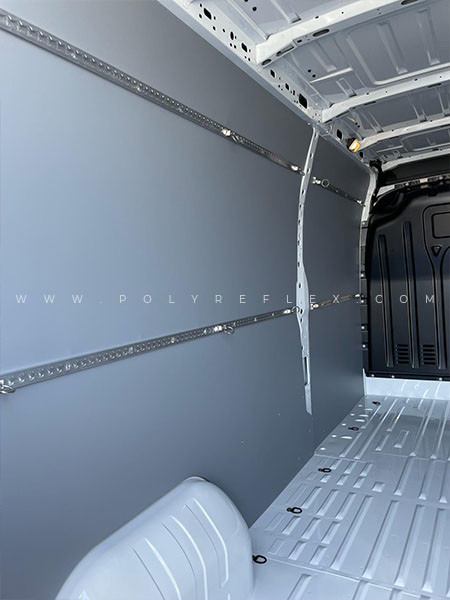
Interior Wall Panels
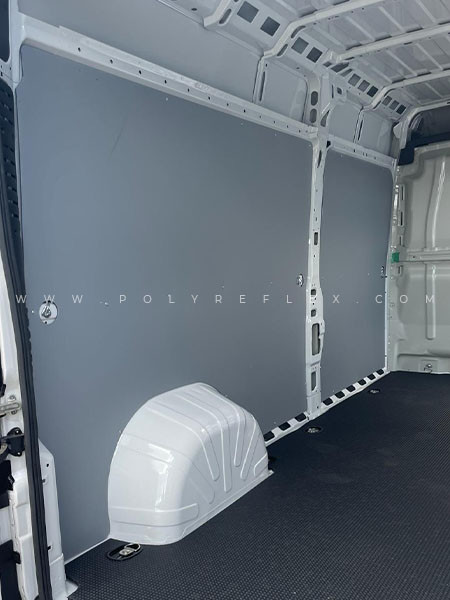
Interior Side Panels
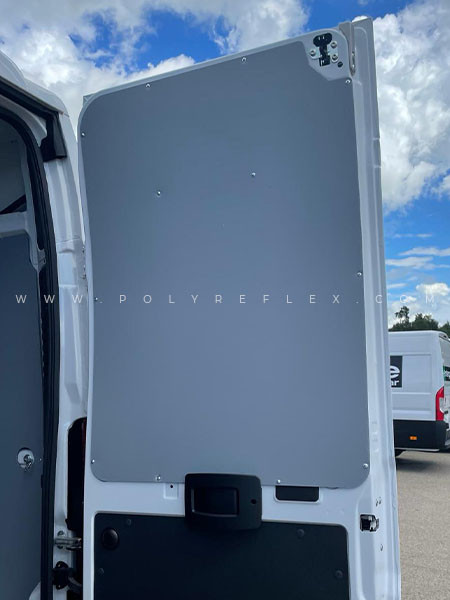
Door Panels
Advantages of PP Honeycomb Panels for Automotive Design
PP honeycomb panels offer several key advantages that make them an attractive material choice for automotive engineers.
Lightweight Performance
Weight reduction is the primary advantage of honeycomb panels. The internal honeycomb structure reduces material usage while maintaining structural integrity. Compared with solid plastic sheets, honeycomb panels can reduce weight significantly while still providing the required mechanical performance.
High Strength-to-Weight Ratio
The honeycomb core distributes loads efficiently across the panel surface. This design enables the panel to achieve high stiffness without increasing material thickness. As a result, engineers can design strong components that remain lightweight.
Excellent Durability
Polypropylene honeycomb panels offer good impact resistance and fatigue resistance. They can withstand repeated mechanical stress, making them suitable for automotive environments where durability is essential.
Moisture and Chemical Resistance
Unlike wood-based materials, PP panels do not absorb moisture or degrade in humid environments. They are also resistant to many chemicals and automotive fluids.
This ensures long-term stability and reliability in vehicle interiors and storage areas.
Sustainable and Recyclable
Sustainability has become an important consideration in automotive manufacturing. PP honeycomb panels are recyclable thermoplastic materials, making them compatible with modern recycling initiatives.
Processing Options for Automotive Bubble Boards
Another major advantage of PP honeycomb panels is their compatibility with a wide range of fabrication and processing methods.
Why Automotive Manufacturers Choose Polyreflex
Selecting the right material supplier is critical for automotive manufacturers seeking consistent quality and reliable performance.
Polyreflex is a professional manufacturer of thermoplastic sheets and panels, offering a range of materials suitable for automotive applications, including PP honeycomb panels, PP bubble boards, ABS sheets, and TPO sheets.
With extensive manufacturing experience and advanced processing capabilities, Polyreflex supports automotive customers with both material supply and custom fabrication services.
Key advantages include:
By combining material expertise with advanced fabrication technologies, Polyreflex helps automotive manufacturers develop efficient and lightweight panel solutions.
Future Trends of Honeycomb Panels in Automotive Design
The role of lightweight materials in automotive engineering will continue to expand as vehicle designs evolve.
Several trends are expected to drive increased adoption of honeycomb panels in the future:
Growth of electric vehicles
Electric vehicles place greater emphasis on weight reduction to maximize battery range.
Increased use of recyclable materials
Automakers are prioritizing sustainable materials that support circular manufacturing processes.
Modular vehicle structures
Modular design approaches benefit from lightweight panel systems that can be easily integrated into vehicle architecture.
Advanced composite panel systems
Honeycomb cores may increasingly be combined with advanced surface materials to create hybrid lightweight structures.
These developments suggest that honeycomb panel technology will remain an important component of automotive lightweight design strategies.
Conclusion
As the automotive industry continues to pursue lightweight design, materials that offer both structural performance and weight reduction are becoming increasingly valuable.
PP honeycomb panels provide an effective solution by combining a high-strength honeycomb structure with the durability and versatility of polypropylene thermoplastics. Their lightweight nature, mechanical performance, and ease of processing make them suitable for a wide range of automotive applications, including trunk floors, seat back panels, and interior structural components.
With growing demand for lightweight and sustainable materials, PP honeycomb panels are expected to play an increasingly important role in the future of automotive manufacturing.
For manufacturers seeking reliable lightweight panel solutions, Polyreflex offers high-quality PP honeycomb panels along with customized processing services to support various automotive applications.
FAQ – PP Honeycomb Panels in Automotive Lightweight Design
Q1: What are PP honeycomb panels used for in automotive applications?
A: PP honeycomb panels are used in automotive interior and structural components such as trunk floors, seat back panels, interior wall partitions, and load floor systems. They provide lightweight strength, impact resistance, and durability for various vehicle designs.
Q2: How do PP honeycomb panels reduce vehicle weight?
A: The honeycomb core structure distributes loads efficiently, allowing the panel to maintain stiffness while using minimal material. This results in a significant weight reduction compared with solid plastic sheets or traditional materials like plywood.
Q3: Can PP honeycomb panels be custom processed for specific automotive parts?
A: Yes. Polyreflex offers CNC cutting, vacuum forming, and thermoforming services, enabling panels to be customized to precise dimensions, shapes, and assembly requirements for automotive applications.
Q4: What are the key advantages of using PP honeycomb panels in cars?
A: Key advantages include lightweight structure, high strength-to-weight ratio, impact and moisture resistance, recyclability, and easy compatibility with advanced manufacturing processes.
Q5: Are PP honeycomb panels suitable for both interior and exterior automotive components?
A: Yes. While commonly used for interior parts like trunk floors and seat backs, PP honeycomb panels can also be applied in protective exterior panels, body protection boards, and load-bearing elements, depending on design requirements.
Q6: How does Polyreflex support automotive manufacturers using PP honeycomb panels?
A: Polyreflex provides high-quality PP honeycomb panels along with custom processing solutions, including CNC machining, vacuum forming, lamination, and tailored material selection to meet automotive OEM and Tier supplier specifications.