Plastic Materials Used in Automotive Mud Guards
Automotive mud guards, also known as mud flaps, help reduce the amount of mud, water, stones, and road debris thrown up by vehicle tires. Used on passenger vehicles, pickup trucks, commercial vehicles, and other vehicle types, these components need to meet different requirements for flexibility, impact resistance, durability, and installation.
Selecting the right plastic material is an important step in automotive mud guard manufacturing. The material must suit the part's design, operating environment, thickness requirements, and fabrication process.
Thermoplastic olefin (TPO) and polyethylene (PE) sheets are two material options used in Polyreflex's mud guard production. With sheet cutting, drilling, and CNC machining capabilities, Polyreflex supports the fabrication of plastic components for different automotive applications.
What Should You Consider When Choosing Automotive Mud Guard Materials?
Automotive mud guards operate close to the road surface, where they may encounter water, mud, gravel, temperature changes, and repeated mechanical stress. Material selection should consider the actual conditions in which the finished component will be used.
Flexibility and Impact Resistance
Mud guards may experience bending, vibration, and impacts from road debris during vehicle operation. The selected material should provide an appropriate balance of flexibility and stiffness while meeting the component's impact resistance requirements.
These properties depend on the material grade, formulation, sheet thickness, and part geometry. Testing the selected material under relevant operating conditions is important when developing a new mud guard.
Weather and Environmental Resistance
Exposure to water, mud, sunlight, road salts, and cleaning chemicals can affect a component over time. Buyers should evaluate the material's resistance to the specific environmental conditions expected during service.
Low-temperature performance is another consideration, particularly for vehicles operated in cold climates. Material specifications and test results should be reviewed before confirming suitability for demanding applications.
Thickness, Mounting Design, and Dimensional Accuracy
Sheet thickness influences a mud guard's stiffness, flexibility, weight, and overall behavior. Mounting holes, edge profiles, fixing points, and the shape of the component also affect its fit and performance.
For custom projects, these details should be considered together rather than selecting a material based on thickness alone.
Processing Requirements and Production Cost
The material should be compatible with the required manufacturing operations, including cutting, drilling, and CNC machining. Buyers should also consider material utilization, machining efficiency, dimensional consistency, and total production cost.
A suitable material is one that meets the application's requirements while remaining practical to fabricate at the intended production volume.
TPO Sheet for Automotive Mud Guards
Thermoplastic olefin (TPO) is a family of thermoplastic materials used in various automotive interior and exterior applications. Depending on its formulation and grade, TPO can offer a combination of flexibility, impact performance, and processability that makes it a candidate for selected automotive mud guard designs.
Material Characteristics of TPO
TPO formulations vary, so their mechanical properties should be evaluated against the requirements of the intended component. Relevant considerations include flexibility, stiffness, impact resistance, temperature performance, and resistance to environmental exposure.
For automotive mud guards, the balance between flexibility and structural stability is particularly important. The material must suit the component's shape, thickness, mounting arrangement, and expected operating conditions.
Why Consider TPO for Automotive Mud Guards?
TPO sheet can be considered for mud guard applications where the required material properties and component design are compatible. Its suitability should be assessed according to the intended vehicle type, installation location, and performance specifications.
Rather than assuming that every TPO grade will perform the same way, manufacturers should confirm the selected grade's properties and evaluate samples when necessary. This approach helps buyers make decisions based on application requirements instead of material names alone.
Processing TPO Sheets into Custom Mud Guards
Polyreflex processes TPO sheets for automotive mud guard production through direct fabrication operations, including:
These operations allow components to be manufactured in different shapes and sizes to meet project-specific requirements. The final machining plan depends on the material grade, sheet thickness, component geometry, and dimensional specifications.
For OEM and automotive component projects, providing drawings, dimensions, or reference samples helps establish the required shape, hole positions, and manufacturing details.
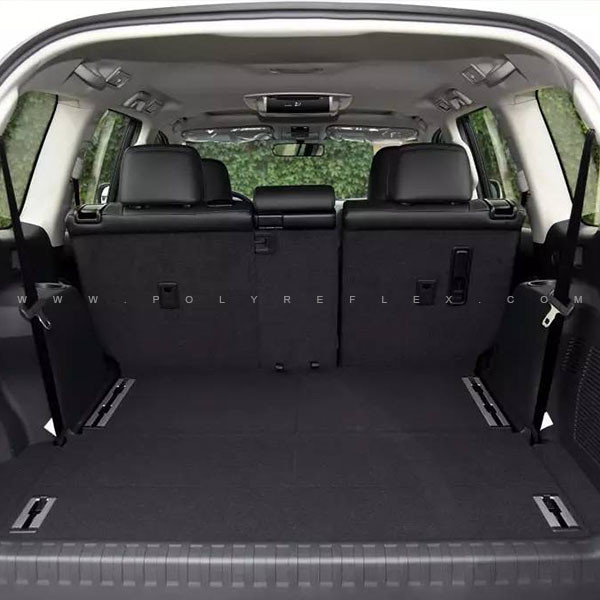
Trunk Floor / Seat Back Panel
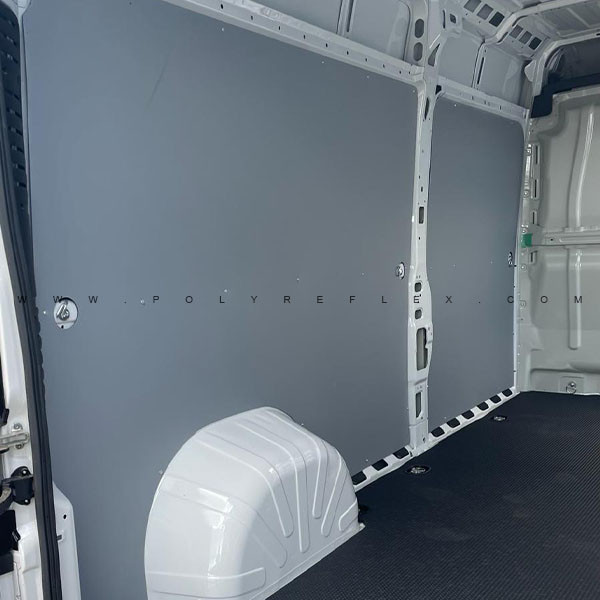
Automotive Wall Panel
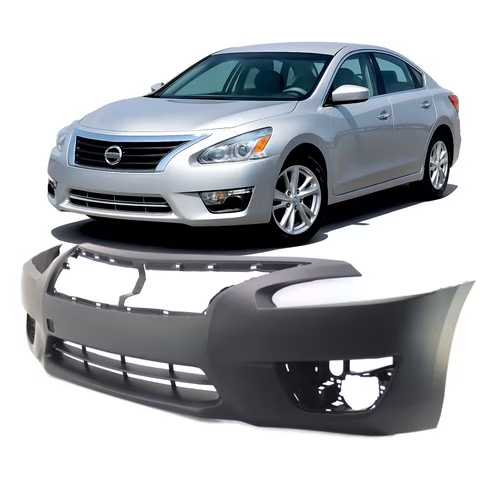
Front Bumper
PE Sheet for Automotive Mud Guards
Polyethylene (PE) is a thermoplastic polymer used in a wide range of industrial and automotive-related applications. Depending on its grade and formulation, PE can offer toughness, moisture resistance, and resistance to many chemicals.
PE sheet is another material option used by Polyreflex in automotive mud guard production. Its suitability depends on the component's structural design and the properties required for the intended operating environment.
Material Characteristics of PE
PE materials are available in different grades with varying stiffness, toughness, and processing characteristics. These differences can influence the performance of the finished mud guard.
When evaluating PE sheet, buyers should consider the balance between flexibility and stiffness, as well as the material's behavior under impact, temperature changes, and environmental exposure.
Chemical resistance should also be evaluated against the actual substances the component may encounter. General material characteristics alone cannot establish long-term performance under every service condition.
PE Sheet Applications in Mud Guard Manufacturing
PE sheet can be fabricated into custom mud guard components using cutting, drilling, and CNC machining. These processes support the production of parts with specified dimensions, mounting holes, and external contours.
For different vehicle models, the component's geometry and mounting arrangement may vary. A drawing-based manufacturing approach helps define the required dimensions and machining features before production.
PE sheet may be considered when its material properties meet the design requirements of the intended mud guard. Final selection should account for the required thickness, stiffness, toughness, installation method, and operating environment.
Design Considerations for PE Mud Guards
Several factors should be reviewed before manufacturing a PE mud guard:
These considerations help align material selection with the actual requirements of the finished component.
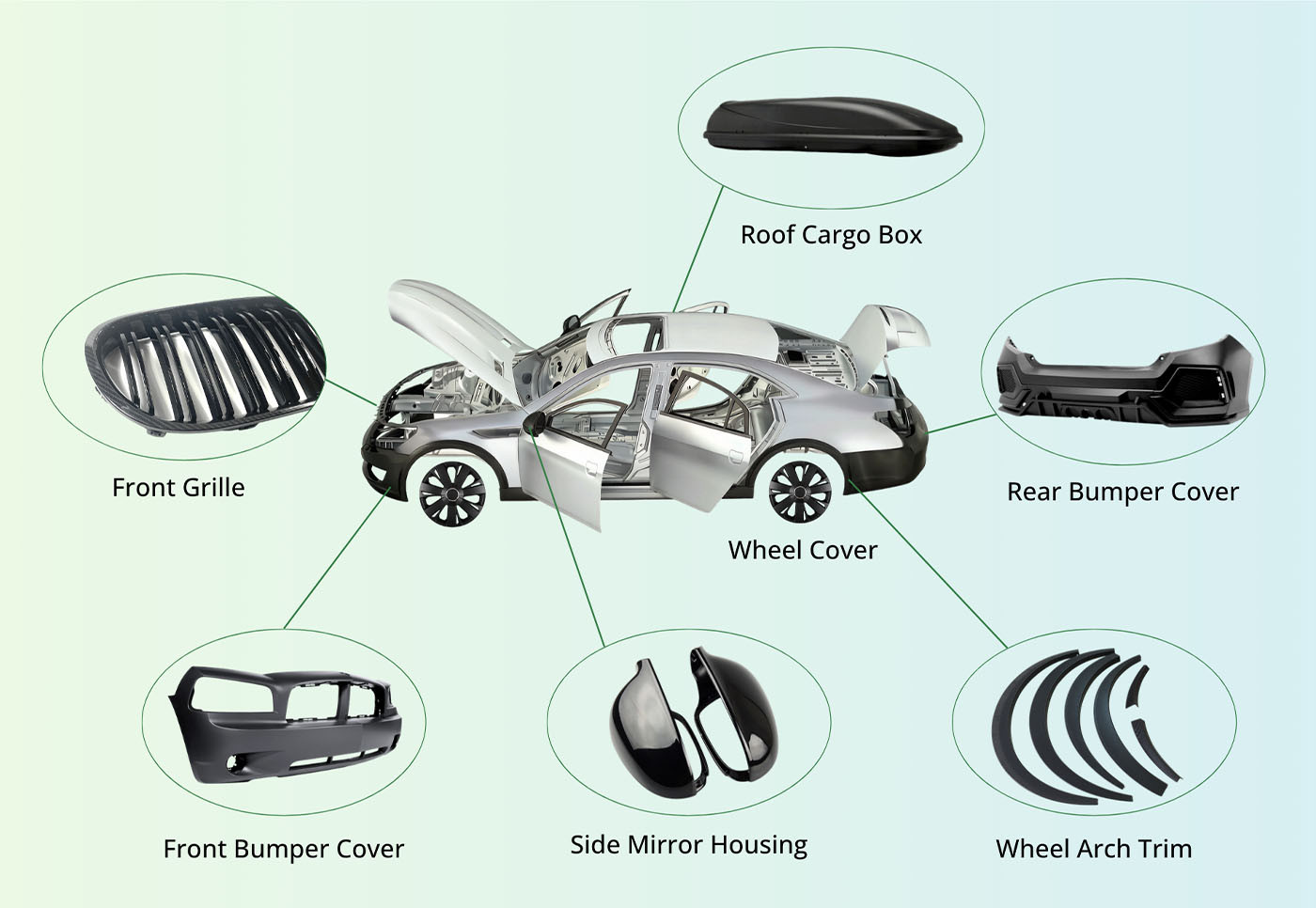
TPO vs. PE for Automotive Mud Guards
TPO and PE can both be considered for selected automotive mud guard applications, but they are different material families. The appropriate choice depends on the specific grade, component design, fabrication requirements, and operating conditions.
| Selection factor | TPO Sheet | PE Sheet |
| Material family | Thermoplastic olefin | Polyethylene |
| Flexibility | Depends on formulation and grade | Depends on PE type and grade |
Impact performance | Requires grade-specific evaluation | Requires grade-specific evaluation |
Environmental resistance | Evaluate against actual exposure conditions | Evaluate against actual exposure conditions |
Fabrication | Cutting, drilling, and CNC machining, subject to grade and design | Cutting, drilling, and CNC machining, subject to grade and design |
Selection priorities | Flexibility, stiffness, impact requirements, and service conditions | Toughness, stiffness, impact requirements, and service conditions |
Neither material is automatically the best choice for every mud guard. For example, a design requiring a particular balance of flexibility and stiffness may need a different material specification from a component designed primarily around dimensional stability and mounting requirements.
For procurement and product development teams, the most useful comparison is based on the actual material grades and the requirements of the finished part. Material data sheets, prototype evaluation, and application-specific testing can help determine which option is more appropriate.
CNC Machining and Custom Fabrication for Automotive Mud Guards
Selecting the material is only one part of mud guard manufacturing. The sheet must also be fabricated to match the component's dimensions, mounting arrangement, and design specifications.
Polyreflex supports automotive mud guard production using direct sheet fabrication processes, including cutting, drilling, and CNC machining.
Custom Cutting to Part Dimensions
Plastic sheets can be cut according to specified dimensions and external profiles. This allows manufacturers to produce components for different vehicle applications and accommodate variations in part size and geometry.
Accurate drawings or approved reference samples help define the required shape and dimensions.
Drilling and Mounting Hole Processing
Mounting holes and other openings are important for component installation. Their positions, diameters, and distances from the edges should follow the part drawing and the intended fixing arrangement.
Drilling and CNC machining can be used to produce these features according to the project's requirements.
CNC Contour Machining
CNC machining supports the production of custom outlines and specified geometric features. For automotive mud guards, this can include shaped edges, mounting features, and other contours defined by the design.
The achievable dimensions and machining details depend on the equipment, material, sheet thickness, part geometry, and specified tolerances. These requirements should be confirmed during project evaluation.
Prototype Evaluation and Production Preparation
Before moving into volume production, buyers and manufacturers should confirm that the selected material and finished component meet the project's requirements.
Depending on the project, evaluation may include checking dimensions, mounting-hole positions, fitment, material properties, and performance under representative operating conditions.
Providing complete drawings, material specifications, target quantities, and application details helps establish an appropriate fabrication plan.
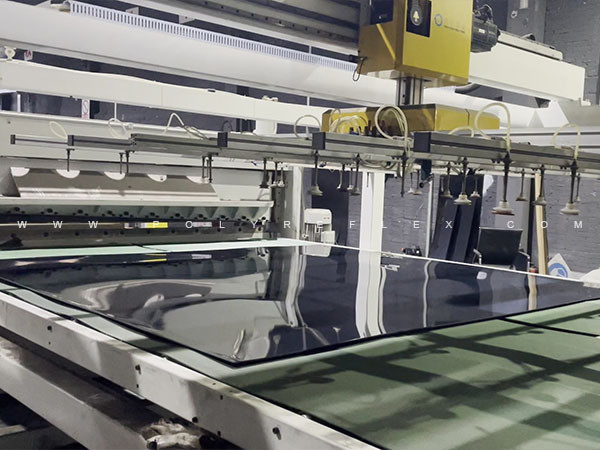
HDPE Sheets
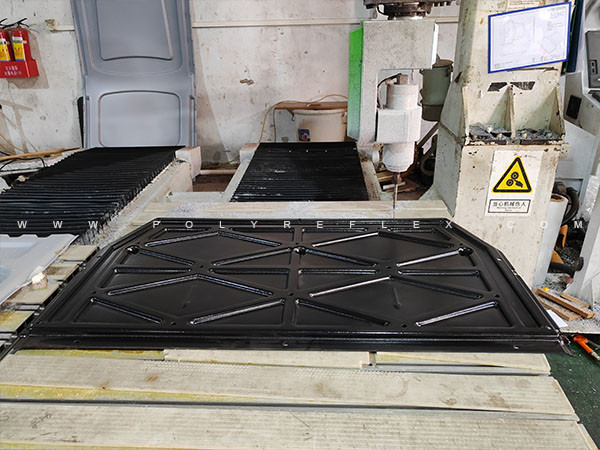
Underbody Shield
Custom Automotive Plastic Sheet Solutions by Polyreflex
Polyreflex provides plastic sheet materials and fabrication support for automotive component projects. For automotive mud guards, TPO and PE sheets are two materials used in its production, with cutting, drilling, and CNC machining available to meet specified part requirements.
Polyreflex works with customers to assess material selection, sheet dimensions, component geometry, and machining requirements for different automotive applications. This approach supports the development of custom plastic components for automotive parts manufacturers, OEM projects, Tier 1 and Tier 2 suppliers, and vehicle modification businesses.
To discuss a mud guard project, buyers can provide technical drawings, reference samples, required dimensions, material specifications, and expected order quantities. These details help Polyreflex evaluate the material and fabrication requirements for the proposed component.
Looking for TPO or PE sheets for custom automotive mud guards? Contact Polyreflex to discuss your material requirements and CNC fabrication needs.
Frequently Asked Questions
Q1. What is the best material for automotive mud guards?
A: The best material depends on the component's design, required flexibility, impact resistance, thickness, mounting arrangement, and operating environment. TPO and PE are two options used by Polyreflex. The appropriate grade should be selected according to the project's specifications and evaluated where necessary.
Q2. What is the difference between TPO and PE for mud guards?
A: TPO and PE are different thermoplastic material families, and their properties vary by grade and formulation. Their suitability for mud guards should be evaluated against requirements such as flexibility, stiffness, impact performance, environmental exposure, and fabrication needs rather than assuming one material is always superior.
Q3. Can PE sheets be CNC machined for automotive applications?
A: Yes. PE sheets can be processed using suitable CNC machining operations, as well as cutting and drilling. The appropriate method depends on the PE grade, sheet thickness, part geometry, and dimensional requirements. These factors should be confirmed when preparing a custom automotive component for production.
Q4. Can TPO sheets be cut and drilled for custom mud flaps?
A: TPO sheets can be cut and drilled using suitable processing methods. CNC machining can also be used for specified contours and features when compatible with the material and design. The required dimensions, hole positions, and machining details should be defined in the part drawing.
Q5. Can Polyreflex supply custom automotive plastic sheets and machined parts?
A: Polyreflex supplies automotive plastic sheet materials, including TPO and PE for mud guard production, and supports cutting, drilling, and CNC machining. Buyers can provide drawings, samples, dimensions, and project specifications for an assessment of material suitability and fabrication requirements.
Conclusion
Choosing the right plastic material for automotive mud guards requires consideration of material properties, sheet thickness, part geometry, mounting requirements, and operating conditions. TPO and PE are two options used by Polyreflex for mud guard production, with cutting, drilling, and CNC machining supporting customized component requirements. By evaluating each project individually, Polyreflex helps automotive customers identify suitable sheet materials and fabrication approaches for their applications.